Cold, Flu, or Something Else: How to Tell What You're Dealing With
Colds usually creep in slowly and stay above the neck. The flu tends to hit fast, with fever, body aches, and deep tiredness. Strep, sinus infections, ear infections, and allergies can look a lot like both, and that's when a doctor who knows you can help you sort it out quickly.
When you feel lousy, it's hard to tell what's going on. Good cold and flu treatment starts with that question, because the right next step depends on the answer. Sometimes you just need rest and fluids. Sometimes you need a test. The goal is to find out which one fits you, fast, and without guessing.
Here's how the two most common culprits tend to show up:
- A cold usually builds over a day or two. You'll notice a scratchy throat, a runny or stuffy nose, sneezing, and maybe a mild cough. You feel off, but you can usually still get through your day.
- The flu often hits hard and fast. Many people can point to the hour it started. Fever, chills, body aches, headache, and a heavy, wiped-out feeling are common. Staying in bed doesn't feel optional.
- A cough can come with either one. With the flu, it's often drier and can hang on after the other symptoms fade.
The tricky part is that plenty of other problems look like a cold or the flu at first:
- Strep throat can cause a very sore throat and fever, often without the runny nose you'd expect from a cold. A quick strep throat test is the only way to know for sure.
- A sinus infection can start as a normal cold and then turn into face pressure, thick drainage, and congestion that won't quit.
- An ear infection may follow a cold, especially in kids. Ear pain, pressure, or muffled hearing are the clues.
- Allergies can bring sneezing, an itchy nose, and watery eyes, but they don't cause fever or body aches.
Living in Greenwood Village adds a few wrinkles. The air along the Front Range is dry, especially in winter, and dry air alone can leave your throat scratchy and your nose stuffy when you wake up. That can feel like a cold coming on when it isn't. In spring, tree pollen can set off sneezing and congestion that people often mistake for a lingering cold. If your "cold" shows up at the same time every year, it's worth asking whether it's really allergies. An allergy testing consultation can help answer that.
So how do you decide? Start by paying attention to a few things. How fast did it start? Do you have a fever? Is it mostly your nose and throat, or does your whole body ache? Is anyone else at home sick with the same thing? Those answers tell a doctor a lot, often before you ever come in.
This is where having a doctor who already knows you makes a difference. At OG Health, patients get direct access to Dr. Grenardo by phone, text, and secure messaging. You can describe what you're feeling to the physician who knows your history, instead of guessing alone or explaining yourself from scratch to a stranger. He's a board-certified family physician with more than 30 years of experience, and that background helps him spot when a "simple cold" is really something else.
Why Getting Seen Within Two Days Changes Your Treatment Options
When you first get sick, it's tempting to wait and see. You figure you'll call a doctor if you're still feeling rough in a few days. With a cold, that's often fine. With the flu, waiting can quietly take some of your best options off the table.
According to the Centers for Disease Control and Prevention, prescription flu medicines work best when you start them early, ideally within the first two days after symptoms begin.[1] They don't cure the flu overnight. They can help you get better a little faster and lower the chance of the flu turning into something worse. If you start them on day four or five, they usually don't help as much. That's why the first 48 hours matter so much. A doctor can only offer this option if you reach out while it can still make a difference.
Early contact isn't only about the flu. Some illnesses that start out looking like a cold need a different plan:
- Strep throat is caused by bacteria, so it's treated differently than a virus. The sooner it's confirmed, the sooner you can start the right care and stop passing it around your home.
- A cold that turns into a sinus or ear infection is easier to catch early than after a week of pressure and pain.
- Antibiotics don't work on colds or the flu. Getting the right answer early helps you avoid medicine you don't need.
Some people have even more reason to act fast. Adults over 65, young children, pregnant women, and people with conditions like asthma, diabetes, or heart disease are more likely to get seriously sick from the flu. If that's you or someone you care for, don't wait to see how it goes. Call as soon as flu symptoms show up.
Picture this. You wake up with chills and a pounding headache, and by lunch your whole body aches. You could push through the weekend and hope it passes. Or you could send a quick message that morning while your early treatment window is still wide open. The second choice keeps every option available. The first one may leave you with only rest and fluids.
Colorado's flu season usually runs from fall into spring, so this decision tends to come up when schools and offices are full of coughs. Greenwood Village sits well above 5,000 feet, and the dry air up here makes it easier to get dehydrated when you have a fever. That's one more reason not to let a bad flu drag on longer than it has to.
This is where direct access to your doctor matters. At OG Health, patients can reach Dr. Grenardo directly, whether by phone, text, or secure message. You don't have to decide alone whether it's bad enough to call, and you don't lose a day trying to get through to someone who doesn't know you. We also offer same-day sick visits, telehealth visits, and strep throat testing when you need them.
When You Probably Don't Need to Be Seen
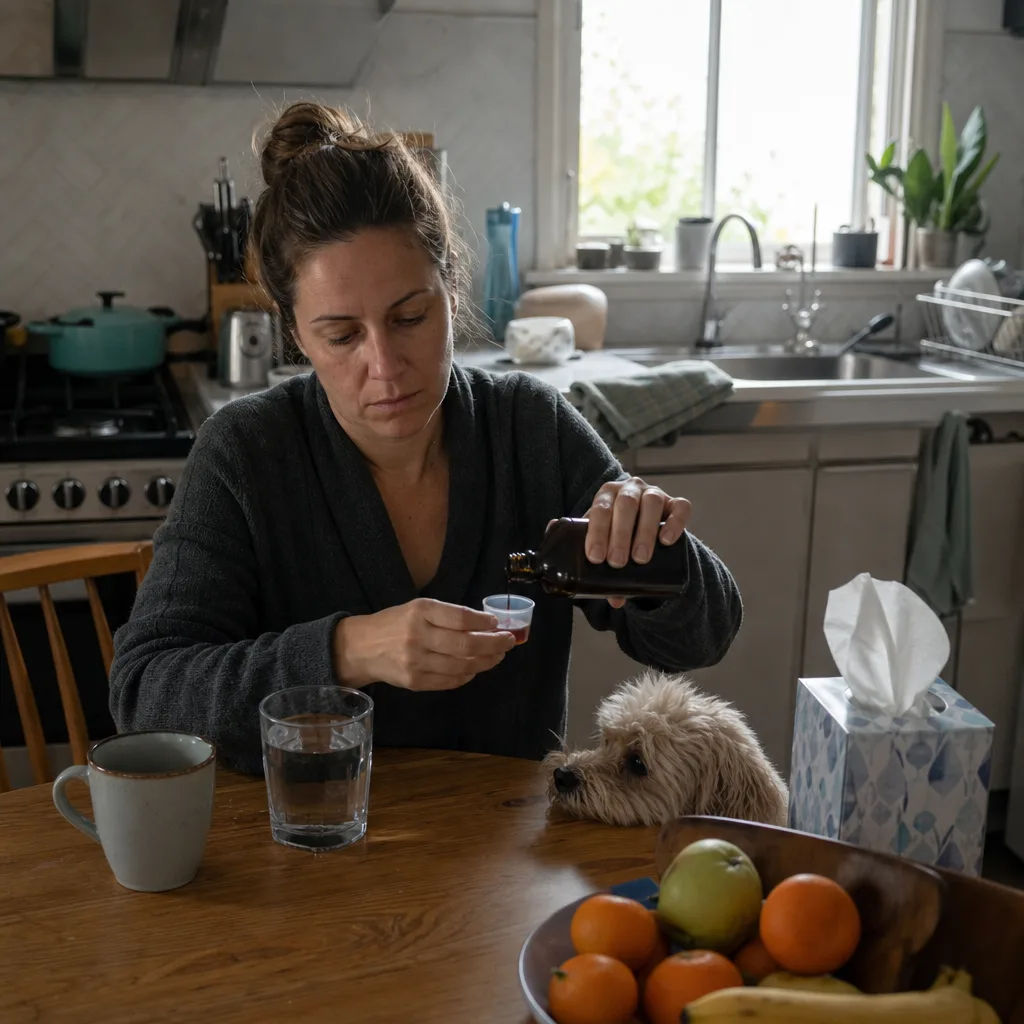
Most colds don't need a doctor's visit. That's the honest truth. A cold is a virus, and your body is built to clear it on its own. There's no test that will change the plan and no prescription that will make it go away faster. If you're mostly dealing with a stuffy nose and a scratchy throat, the best treatment is usually your couch, a big glass of water, and some patience.
Here's what a cold you can probably ride out at home tends to look like:
- Your symptoms stay mostly in your nose and throat.
- You don't have a fever, or it's low and doesn't stick around.
- You're tired, but you can still eat, drink, and get around the house.
- You feel a little better each day, even if it's slow.
- You're not in one of the higher-risk groups mentioned above.
If that sounds like you, rest is doing the real work. Drink plenty of fluids. Sleep as much as you can. A humidifier by the bed can take the edge off, since the dry Front Range air around Greenwood Village can make a stuffy nose and sore throat feel worse overnight. Over-the-counter cold medicines can ease symptoms for some people, so read the label and follow it. Be careful with products that combine several drugs, and check with a pharmacist if you already take other medicines.
A few other situations usually don't call for a visit either. A cough that hangs on after the rest of your cold has cleared up is common and often fades on its own as long as you're otherwise feeling better. Morning stuffiness that clears up once you've been up for a while may just be dry air. Sneezing and itchy eyes that show up every spring and never come with fever are more likely allergies than a cold that won't quit.
And if you're wondering whether antibiotics would speed things up, the answer covered earlier still holds. They won't help a cold, so a visit just to ask for them isn't worth your time.
Staying home has limits, though. These are signs your simple cold may be turning into something else:
- You start to feel better, then suddenly get worse.
- A fever shows up after the first few days, or it keeps climbing.
- Face pain, ear pain, or a very sore throat takes over.
- Your symptoms last longer than expected with no sign of getting better.
- You're having a hard time keeping fluids down.
- Breathing feels hard, or your chest feels tight.
Any of those change the picture. So does a cold that feels more like the flu, with the sudden fever and body aches described earlier. In that case, the early treatment window matters, and waiting it out isn't the right call.
Trust what you're noticing. You know your body and your kids better than anyone. If you're getting better, let rest do its job. If something feels off or different from your usual colds, that's worth a conversation, even if it turns out to be nothing.
Why Chronic Conditions Change the Calculus
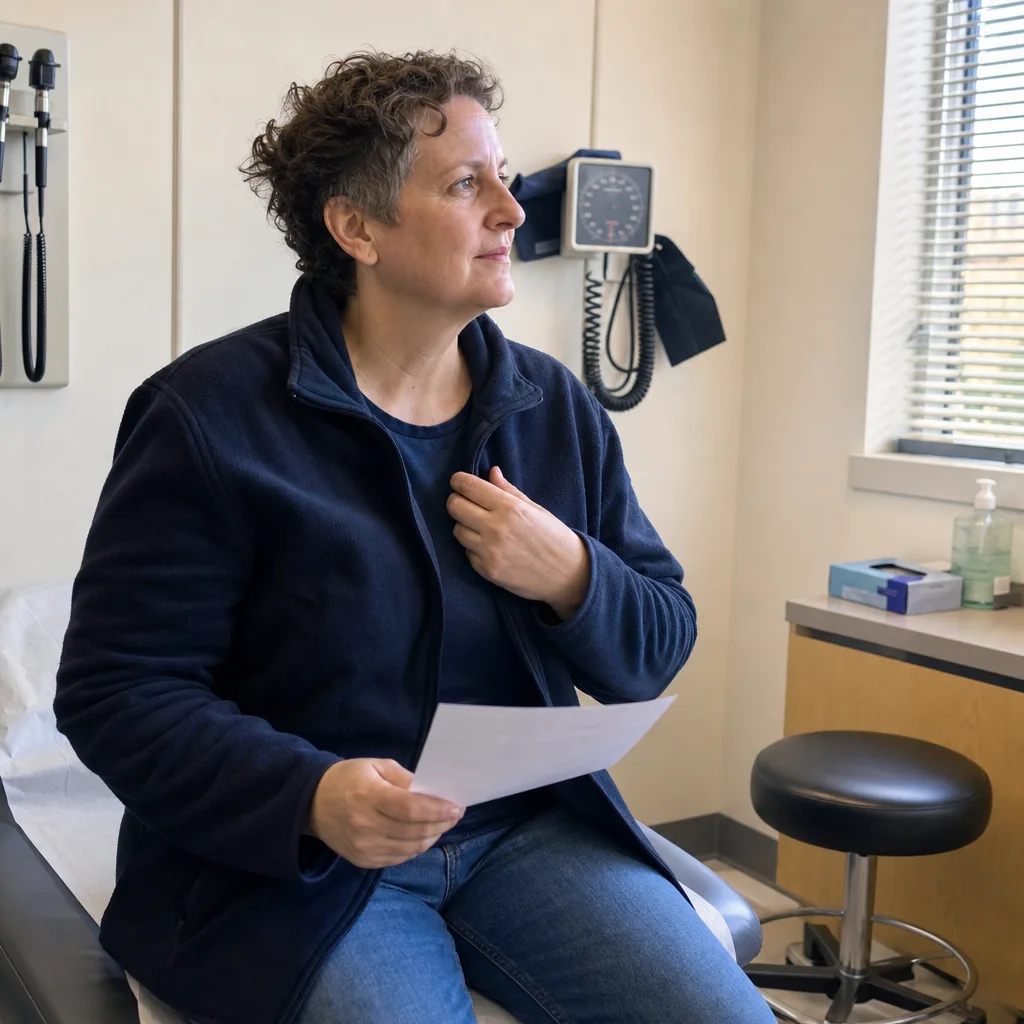
The rest-and-fluids advice above works well for a healthy adult. If you live with a long-term health problem, the situation is different. A cold that's just annoying for your neighbor can knock your asthma, blood sugar, or blood pressure off track. The question isn't only "Is this a cold or the flu?" It's also "What is this doing to the condition I already manage every day?"
Here's how that plays out with some common conditions:
- Asthma: Colds and the flu are among the most common triggers for asthma flare-ups. A runny nose on Monday can turn into wheezing and a tight chest by Wednesday. Dry winter air can irritate your airways even more, which is a real factor in Greenwood Village.
- Diabetes: Being sick puts stress on your body, and that stress can push blood sugar higher than usual. Eating less, sleeping more, and feeling too tired to check your numbers can make it harder to keep things steady.
- High blood pressure: Some cold medicines, especially decongestants, carry label warnings for people with high blood pressure. A product that's fine for someone else may not be right for you.
- Heart and lung conditions: A fever and a hard cough make your heart and lungs work harder. When they're already under strain, that extra load matters.
Then there's the medicine cabinet. If you take several prescriptions, grabbing a multi-symptom cold product off the shelf isn't as simple as it looks. Some ingredients can clash with what you already take, and it's easy to double up on the same drug without knowing it. A doctor who has your full medication list can tell you what's safe to add and what to skip.
Picture someone with diabetes who catches a cold in January. The cold itself is mild. But their appetite drops, their readings start climbing, and they aren't sure whether to change anything. On their own, they might wait days and hope it settles. With a quick message to their doctor, they can get a plan that covers both the cold and their blood sugar while it's still a small problem.
This is why having a physician who already knows your health history counts for so much when you get sick. OG Health provides chronic disease management for conditions like blood pressure, cholesterol, diabetes, thyroid disease, and asthma. When you catch a cold or the flu, you aren't starting from zero with someone who's never seen your chart. You can reach Dr. Grenardo by phone, text, or secure message and talk it through with the doctor who already manages your ongoing care. Because the practice limits its panel to 200 members, that relationship is built to be personal and continuous.
If you have a chronic condition, set a lower bar for reaching out. You don't need to wait until you're sure it's serious. A short conversation early on can keep a routine cold from turning into a setback with your asthma, diabetes, or blood pressure. It's also worth asking about a yearly flu shot before the season starts, since preventing the flu is easier than managing it on top of everything else.
What a Same-Day Sick Visit Looks Like

A sick visit has one job: it figures out what’s making you feel this way and what you need to do about it. It isn't a full checkup. It's a focused look at the problem in front of you, so you can get back to resting with a clear plan.
Most sick visits start with questions. A doctor will usually want to know when your symptoms began, whether they came on slowly or all at once, and how high your fever has been. They'll ask who else at home is sick and what you've already taken. These answers often narrow things down before anyone looks in your throat.
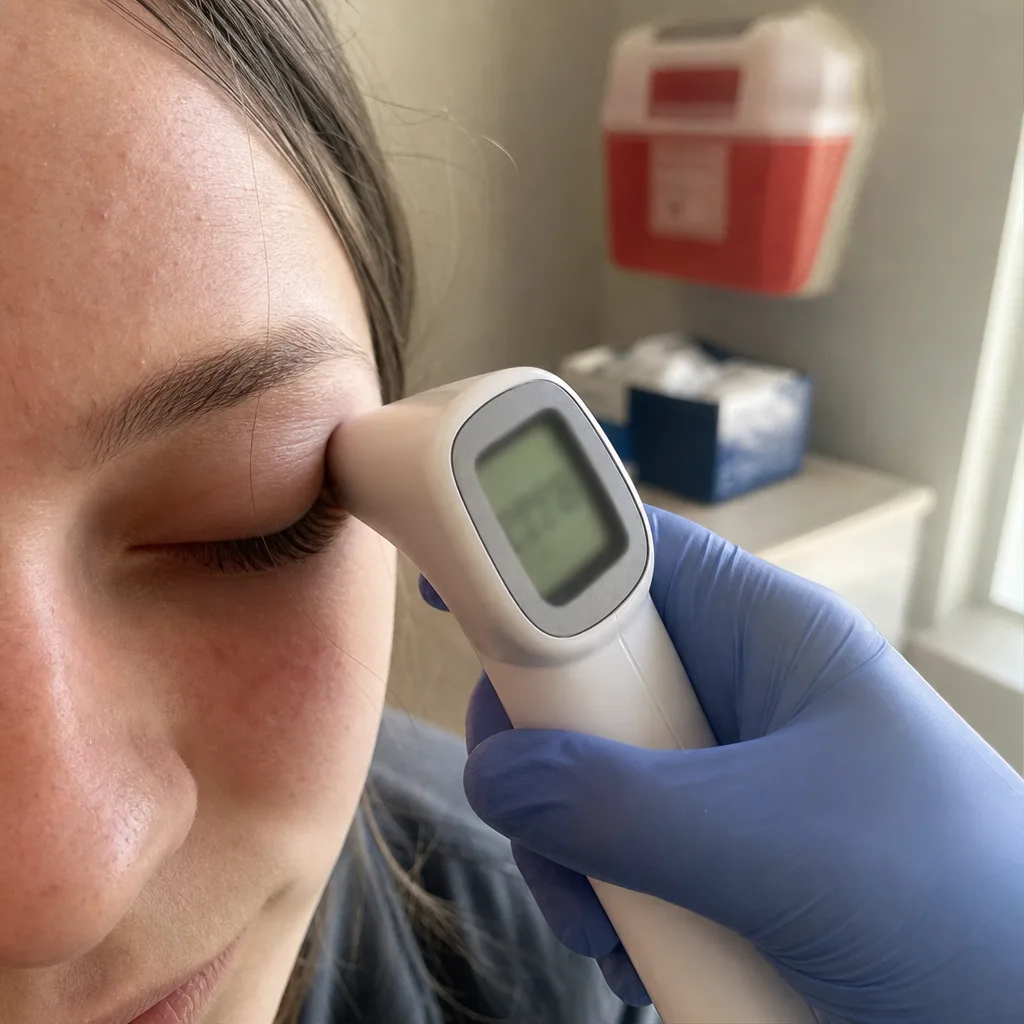
Then comes a quick exam. That usually means checking your temperature, looking at your throat and ears, pressing on your sinuses, and listening to your lungs. Each check answers a question. A red throat with no cough points one way. Crackly lungs point another. A bulging eardrum explains why your child keeps tugging at one ear.
Testing happens only when the result would change what you do next. A strep throat test is a good example. Strep needs different treatment than a virus, so a positive result changes the plan. If a test wouldn't change anything, a good doctor won't order it just to be thorough.
You should leave with a plan you understand. That covers what to take, what to skip, how long this should last, and which signs mean you need to reach back out. If you walk away unsure, ask before you go. A clear plan is the whole point of the visit.
OG Health offers same-day sick visits, telehealth visits, and house call visits, so you have more than one way to be seen. Which one fits depends on what's going on. Anything that needs a swab, like a possible strep throat, has to be done in person. If you mostly need to talk through symptoms and decide on next steps, telehealth may be enough. And if you're too wiped out to get off the couch, it's worth asking about a house call.
A few minutes of prep makes any sick visit faster and more useful. Before you call or come in, try to have these ready:
- The day and rough time your symptoms started
- Your temperature readings and when you took them
- Every medicine you've taken, including cold products and pain relievers, with doses
- Your regular prescriptions and any recent changes
- Who else at home or work has been sick, and with what
- Recent blood sugar readings, peak flow numbers, or blood pressure readings if you track them
Jot these down on your phone as you go. When you feel foggy with a fever, it's easy to forget whether your temperature spiked last night or this morning. Having it written down means the doctor spends less time guessing and more time helping.
Frequently Asked Questions
How long is a cold or flu contagious?
You're usually most contagious in the first 3 to 4 days of symptoms, though it can vary. Colds tend to spread most in the first couple of days before you even feel bad. The flu can spread a day before symptoms start and up to a week after. That's why it's smart to keep sick household members away from high-risk family members, like older adults or people with asthma or diabetes.
Can you have a fever with a cold?
It's possible but not typical. A cold usually causes a low fever, if any, and it doesn't stick around long. A fever that shows up after the first few days, or one that keeps climbing, is more likely a sign of the flu or a secondary infection like a sinus or ear infection, and it's worth a closer look.
Is it better to rest or push through a cold?
Rest wins almost every time. Your body fights off a cold on its own, and pushing through just slows that process down and drains you further. Sleep, fluids, and a humidifier to fight dry winter air do more for you than powering through your normal schedule.