
Which Vaccines Are Right for You Depends on Age, Health, and Travel Plans

There's no single shot list that fits every adult or every kid. Your age, your health history, the work you do, and where you're headed on your next trip all change the answer. That's why the conversation matters more than the checklist.
Most people picture a fixed schedule when they think about vaccines: kids get a stack of them, and adults get a flu shot, and that’s it. The real picture is messier and more interesting, because what protects you at 32 with no health problems isn't what protects you at 67 with diabetes.
Here's what shifts a recommendation:
- Age. Childhood series, teen boosters, and adult vaccines all sit on different timelines. Some vaccines are only recommended once you pass a certain birthday, and a few get repeated later in life.
- Chronic conditions. Diabetes, asthma, heart disease, and a weakened immune system all change both which vaccines you need and how urgent they are. If you're already managing one of these with us, your vaccine plan should reflect it.
- Pregnancy and family planning. Some vaccines are recommended during pregnancy to protect the baby. Others should be given before you conceive.
- Work and home life. Health care workers, teachers, and anyone living with an infant or an older parent often need protection the average adult doesn't.
- Travel. Destination, season, length of stay, and what you'll be doing there all matter. A two-week resort trip and six weeks of rural volunteer work aren't the same risk.
Travel is where people get caught off guard most often. Some travel vaccines need more than one dose spaced weeks apart. Booking your trip and then asking about shots the week before you fly doesn't leave enough runway. If a trip is coming in the next few months, bring it up now, not after the tickets are printed.
Colorado adds its own wrinkles. The respiratory season here runs long. Folks in Greenwood Village who spend winters indoors in offices, schools, and gyms are sharing air with a lot of people for months at a stretch. Flu shots and other seasonal protection make the most sense when you get them ahead of that stretch rather than in the middle of it.
Records are the other piece nobody thinks about until they need them. If you moved here from another state, changed doctors a few times, or got shots at a pharmacy or an urgent care, your history is probably scattered across three or four systems. Pulling that together tells us what you've already had and what's genuinely missing. That way you're not repeating a vaccine you got four years ago or skipping one you never received.
Dr. Grenardo cares for patients of all ages at OG Health, which means the same conversation can cover a teenager's catch-up doses and a grandparent's senior vaccines in the same family. That's the point of building the plan around the person instead of handing over a generic list.
Pharmacy or Physician Office: Why the Choice Changed in Colorado
You can get a lot of shots on a Saturday afternoon between errands. Pharmacies across the Denver metro give flu shots, COVID boosters, shingles, and several other common adult vaccines, often with no appointment. If you're a healthy adult who knows exactly what you need and you're due for a seasonal flu shot, go get it. Walking out protected beats waiting two weeks for an opening. We'd rather you were vaccinated somewhere than unvaccinated everywhere.
So the honest version of this section is this: sometimes the pharmacy is the right answer. Here’s when it usually is:
- You're a healthy adult, you already know which vaccine you want, and it's a routine seasonal one.
- You've had it before without a problem and you're just due for the next dose.
- Your records are already in one place and you'll remember to pass the update along.
- Timing is tight and the alternative is skipping it entirely.
Where the pharmacy counter starts to fall short is when the question isn't which shot, but whether. That's a different kind of conversation, and it needs someone who knows your chart.
Say you're on a medication that suppresses your immune system. Some vaccines are fine. Live vaccines may not be, and the safe alternative depends on your dose and your diagnosis. Or you had a reaction to a shot years ago and nobody ever sorted out whether it was a true allergy or a rough afternoon. Or you're pregnant, or trying to be, and the sequencing matters. Or you're a 19-year-old who never finished a childhood series and needs someone to reconstruct what's missing rather than guess.
Kids are their own category. Childhood vaccines run on a schedule that connects to growth checks, development screening, and school requirements. Pulling the shots out of that visit and doing them separately means somebody has to keep track of two threads instead of one. It's doable. It's just more work for you, and more places for a dose to slip through.
Travel vaccines are the other spot where a physician visit earns its keep. The question isn't only what's available. It's what your destination and your itinerary call for, how the doses need to be spaced, and what else you should carry with you. That's a risk assessment, not a transaction.
The real advantage of doing this in a primary care office isn't the needle. It's that the person giving the recommendation already knows your blood pressure, your A1C, the inhaler you refill every spring, and the trip you mentioned in March. Dr. Grenardo keeps the OG Health panel capped at 200 patients for exactly this reason. There's time to look at the whole picture instead of the single line item in front of you.
If you do get a vaccine somewhere else, send us the paperwork. A record you can't find is close to a vaccine you didn't get, and we'd rather have it in your chart than reconstruct it later.
The Flu Shot Cannot Give You the Flu
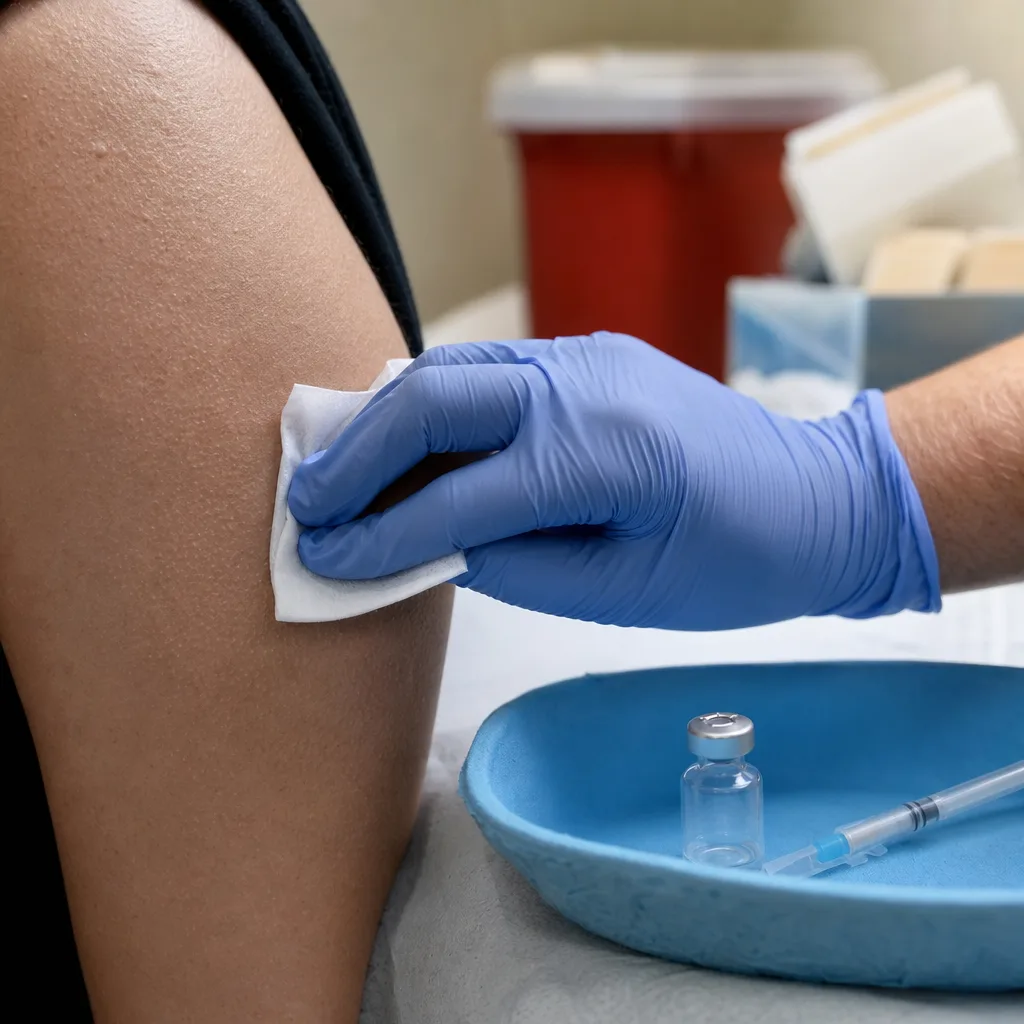
We hear this one every fall. "I got the flu shot last year and I was sick for a week." It's a real memory, and we're not going to tell you it didn't happen. But the shot itself can't cause the flu. According to the Centers for Disease Control and Prevention, the flu vaccine given as an injection doesn't contain a live, working virus.[1] There's nothing in it capable of infecting you.
So what happened? Usually one of three things:
- Your immune system woke up. Sore arm, tiredness, a mild headache, sometimes a low fever for a day. That's your body building protection. It's the shot working, not the shot failing.
- You already had something. Flu shots get handed out in the same weeks that colds, RSV, and stomach bugs start circulating. Catching a virus two days after a vaccine feels connected. It usually isn't.
- You were exposed before you were protected. It takes about two weeks for the immune response to fully kick in. Get vaccinated on a Monday, sit next to someone contagious on Tuesday, and you can still get sick. The timing looks like cause and effect. It's just bad luck.
That two-week window is the practical reason to go early rather than wait. Respiratory season in Colorado stretches long, and offices, classrooms, and gyms around Greenwood Village fill up with people sharing recycled indoor air for months. Getting the shot before that stretch begins means you're covered when exposure peaks, not scrambling to catch up in January.
A few other things worth saying plainly. The flu shot isn't a force field. Some years the circulating strains shift and the match isn't perfect. Vaccinated people still get sick sometimes. What changes is how sick. Milder illness, fewer days down, and a much lower chance of ending up in a hospital bed. If you're managing diabetes, asthma, or heart disease, that difference is the whole point.
There's also a version of the flu vaccine that's a nasal spray and does use a weakened live virus. It isn't right for everyone, and it isn't the shot most adults get. If someone offered it to you and you weren't sure, that's worth asking about.
Serious reactions to the flu vaccine are rare. Real ones do happen, and if you've had one, that's a genuine reason to sit down and talk it through instead of simply avoiding shots forever. Plenty of people carry a vague memory of "a bad reaction" that nobody ever investigated. Sorting out whether it was a true allergy or a rough twenty-four hours changes what's safe for you going forward. It's a conversation worth having with a physician who has your full history in front of him.
Skipping a vaccine because of a story you half-remember isn't a decision. It's the default. You deserve a better reason either way.
When You Don't Need a Separate Immunization Visit
Plenty of people call asking to come in for a shot when they don't need a visit for it at all. We'd rather say that out loud than book an appointment you didn't need.
The most common case is the one that's already built into your year. If you're coming in for an annual wellness exam, a sports physical, a pediatric growth check, or a follow-up on blood pressure or thyroid, that's the visit where vaccines belong. Bring it up when you schedule. There's no reason to make a second trip for something that fits inside the first one.
Here are the situations where a separate immunization visit usually isn't worth your time:
- You've got a wellness exam, physical, or chronic condition follow-up on the calendar in the next couple of months, and nothing you need is time-sensitive.
- You're a healthy adult who wants a routine seasonal flu shot, you've had it before without trouble, and a pharmacy near you has it in stock today.
- You already got the shot somewhere else and just need it added to your chart. That's paperwork, not an appointment.
- You're running a fever or you're genuinely sick right now. Most vaccines can wait until you're back on your feet, and a mild cold is different from a real illness.
- You're not due yet. Some doses have minimum spacing between them, and getting one early can mean it doesn't count.
That last one catches people. If you had a dose two months ago and the schedule calls for six, showing up early doesn't speed anything up. Checking your record first saves you the trip.
There's also a version of waiting that's just fine. Maybe you're between jobs and insurance. Maybe your trip isn't booked yet. Maybe you want a few weeks to read up and think it over. None of that is an emergency. Vaccines work on a schedule, not a deadline. The exception is timing that's already moving without you. Respiratory season in Colorado runs long, and the two-week ramp-up on the flu shot means October beats January. Travel doses that need spacing weeks apart don't compress. If either of those describes you, waiting has a real cost.
And if what you want is a straight answer rather than a shot, ask the question by phone or message. You can ask whether you’re due, whether a past reaction rules something out, or whether your records have a gap in them. That's often a five-minute conversation, and it doesn't require a room, a chair, or a parking spot.
A capped panel of 200 patients means Dr. Grenardo has room for the short question as well as the long visit. Use whichever one fits what you're trying to figure out.
What Your Vaccine Visit Involves From History Review to Aftercare
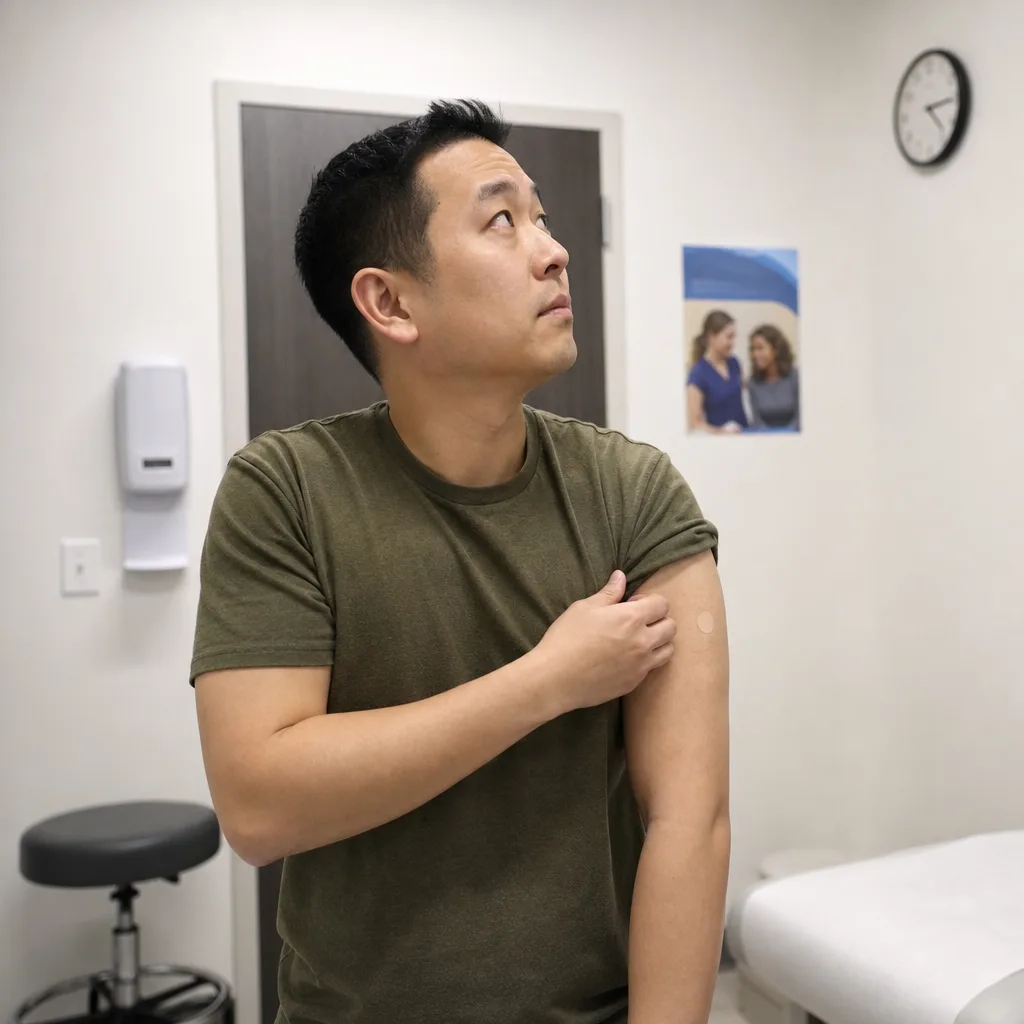
The shot itself takes a few seconds. Everything around it is what makes the visit worth your time, and none of it is complicated.
It starts with your history. What you've had, when you had it, and what's missing. If your records are scattered across a pharmacy, an old family doctor, and a school form in a drawer somewhere, bring whatever you can find. A photo on your phone works. So does a written list with rough dates. Nobody expects you to have a perfect file.
Then come the questions. They sound routine, but each one is there to catch something:
- Are you sick today, and how sick? A stuffy nose usually isn't a reason to wait. A fever often is.
- Are you taking any medications that affect your immune system, including steroids and some arthritis or cancer treatments?
- Any allergies, especially to eggs, latex, or a previous dose of a vaccine.
- Are you pregnant, breastfeeding, or planning a pregnancy soon?
- Have you ever fainted, felt lightheaded, or had a strong reaction after a shot or a blood draw?
That last question matters more than people expect. If you've passed out during a blood draw before, say so. Getting the shot lying down instead of sitting up takes care of the problem, and it's a much better plan than finding out the hard way.
Most vaccines go into the upper arm muscle. A few go under the skin. If you're getting more than one, they can usually be given the same day in different spots. Kids under three often get shots in the thigh instead, since there's more muscle there. Wear a short sleeve or something you can push up easily. It sounds small until you're wrestling with a sweater.
Afterward there's a short wait. Fifteen minutes is standard for most people, longer if you have an allergy history. Serious reactions are rare, and when they happen they show up fast. That's the whole reason for sitting still for a few minutes instead of driving straight off.
For the next day or two, expect the arm to be sore. Some people get tired, achy, or run a low fever. Moving the arm normally helps more than babying it. A cool cloth on the spot helps too. Most of it fades inside 48 hours.
Call if something doesn't fit that pattern. Trouble breathing, swelling in the face or throat, hives, or a fever that climbs instead of settling are all reasons to reach out right away rather than wait it out. Having direct access to your physician by phone or text means you're not guessing at 9 p.m. about whether a sore arm is normal.
Before you leave, the dose gets written into your chart with the date and the vaccine name. That record is what keeps the next dose on schedule, gets a kid enrolled in school, and proves you're covered when a country asks for it at the border.
Frequently Asked Questions
Can you get a vaccine if you're feeling a little sick?
A stuffy nose usually isn't a reason to wait, but a fever often is. Your vaccine visit always starts with a quick check on how sick you are today. If you're running a real fever, it's better to reschedule than push through.
How long do you need to wait at the office after a shot?
Plan on a 15-minute wait after most vaccines. It's longer if you have an allergy history. Serious reactions are rare, but they show up fast, so sitting still for a few minutes is safer than driving off right away.
Is it normal for your arm to hurt after a vaccine?
Yes, a sore arm for a day or two is normal and expected. Some people also feel tired, achy, or run a low fever. Moving the arm normally helps more than resting it, and most soreness fades within 48 hours.
What should you do if a vaccine record is missing or scattered across old providers?
Bring whatever you can find, even a photo on your phone or a rough handwritten list. If you've moved states, changed doctors, or gotten shots at a pharmacy, your history is probably split across a few systems. Pulling it together shows what you've had and what's genuinely missing.