
Who Needs a House Call Visit
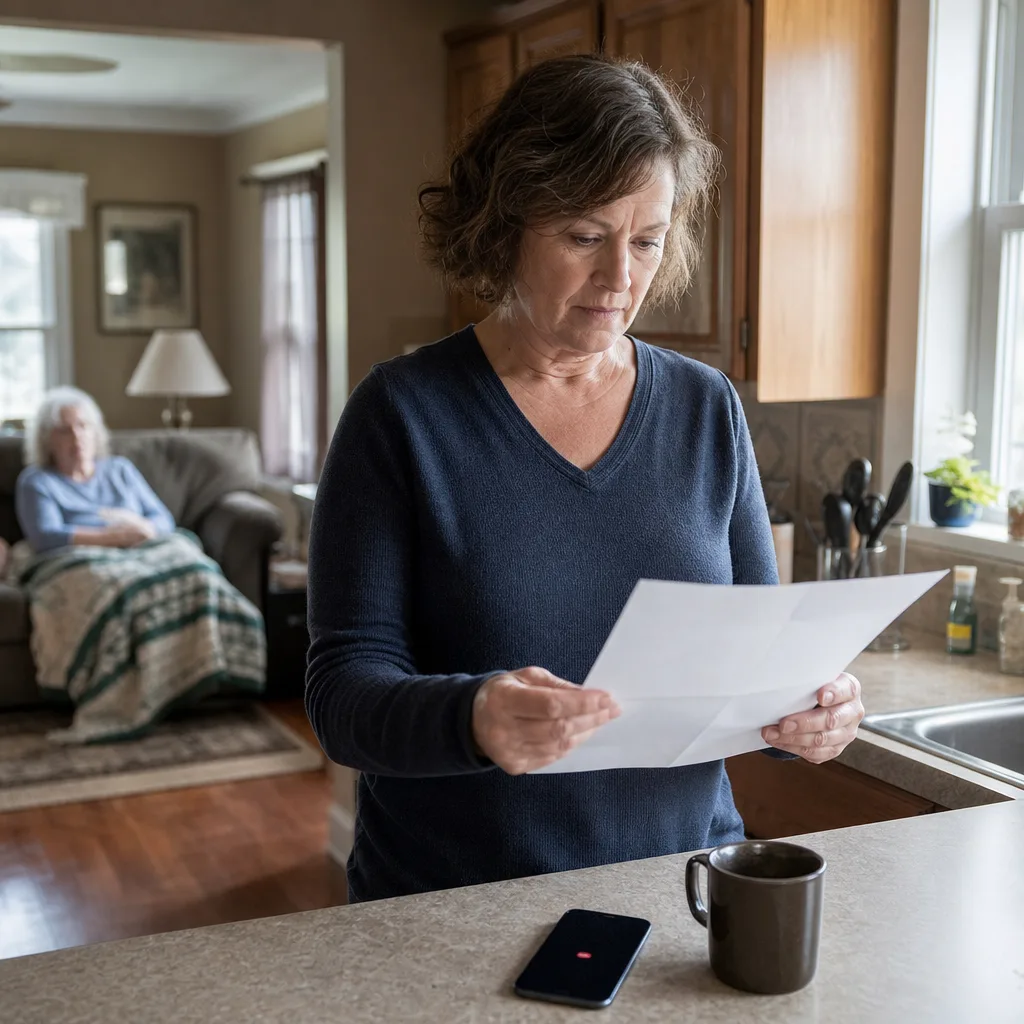
A house call makes the most sense when getting to an office is hard, risky, or would cost you more than the visit itself. Older adults, people just home from the hospital, parents of sick kids, and caregivers get the most out of a House Call Visit. If you need a test or treatment that requires office or hospital equipment, a house call isn’t the right fit.
Most people don't need a doctor at their door for every visit. But some people really do, and they often wait too long to ask because it feels like a big favor. It isn't. For the right person, a home visit is simply the smarter way to get care.
Here's who tends to benefit the most:
- Older adults with mobility trouble. If getting in and out of a car, walking across a parking lot, or sitting in a waiting room wears you out, the trip can take more out of you than the visit. Our Senior Care is built around keeping you steady and independent.
- People just home from the hospital or surgery. The first days back are when questions pile up about new medicines, how you're healing, and what's normal. Transitional Care and Medication Reconciliation help keep those days from going sideways.
- Parents with a sick little one. Loading a feverish toddler and a healthy sibling into car seats is hard. Keeping a sick child home also keeps germs out of shared spaces.
- People managing long-term conditions. If you live with diabetes, high blood pressure, heart problems, or arthritis and your energy comes and goes, seeing your doctor where you live can make regular check-ins easier to keep.
- Family caregivers. If you care for a parent or spouse, one house call can save you a half day of arranging rides, helping with transfers, and sitting in traffic.
- Busy professionals. Some people just can't lose a morning. If that’s what’s causing you to skip care, a home or office visit removes the excuse.
Location matters too. In Greenwood Village, a quick appointment can turn into an hour once you add I-25 traffic through the Denver Tech Center. In winter, snow and ice on driveways and sidewalks make a short walk risky for anyone who's unsteady on their feet. For someone at risk of a fall, skipping that trip is part of the care.
Now for the honest part. A house call isn't the right choice for everyone or every problem. If you're having a medical emergency, don't wait for a home visit. Call 911. Some tests, scans, and procedures need equipment that doesn't travel, so you'll still need an office, lab, or imaging center for those. And if you're healthy, get around easily, and don't mind the drive, a regular office visit or a Telehealth Visit may serve you just as well.
Not sure which group you're in? Ask yourself one question: is getting to the doctor the hardest part of getting care? If the answer is yes, a house call is worth asking about.
At OG Health, we limit our practice to 200 members. That smaller panel is why Dr. Oswaldo Grenardo, a family physician with over 30 years of clinical and executive healthcare experience, can take the time to talk through whether a home visit fits your situation.
When a House Call Is Not the Right Choice
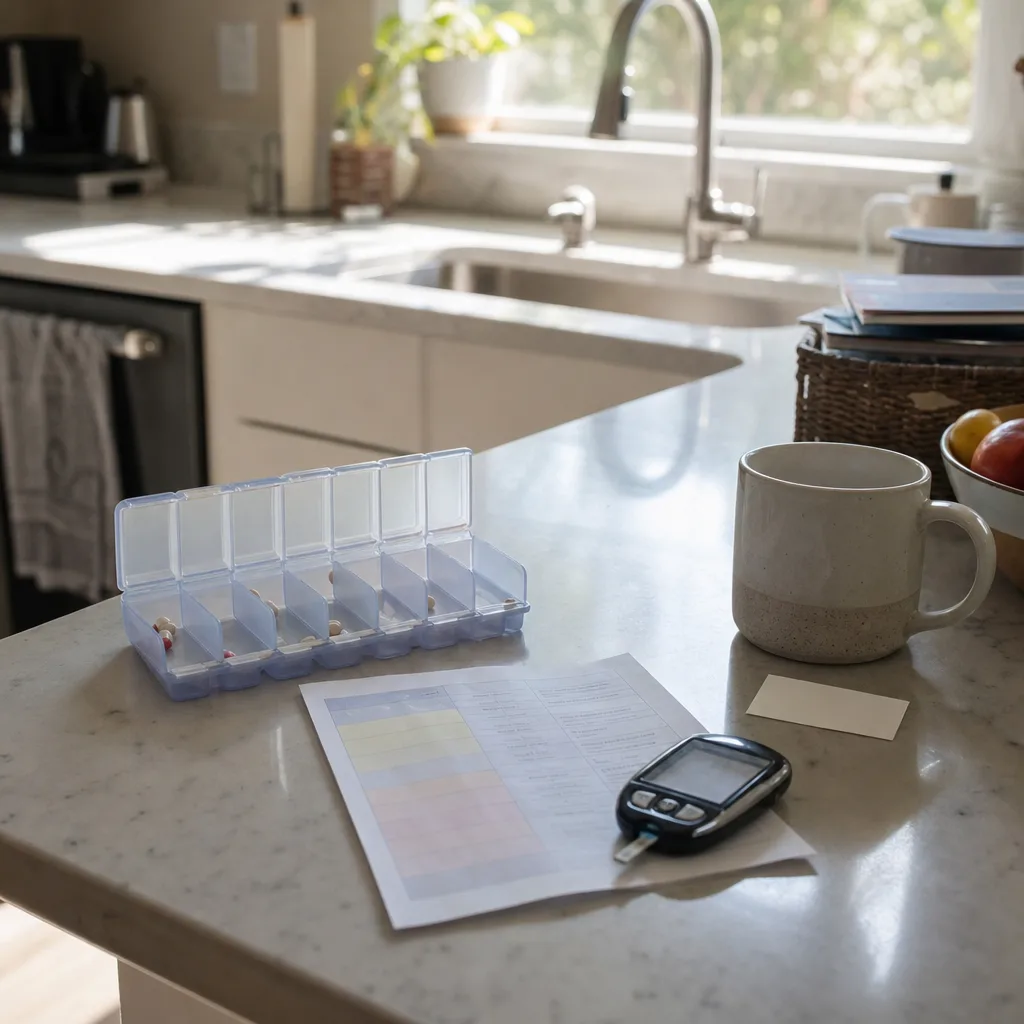
A house call is a tool. It isn't an upgrade for every situation. We've already covered the obvious cases, like an emergency or a scan that needs a big machine. There are a few more times when a home visit isn't the best pick. Here they are, straight.
- You need hands-on help every day. A doctor's visit isn't the same as home health care. Daily wound dressing changes, help with bathing, physical therapy, or regular nursing checks usually come from a home health agency or a therapist, often with a doctor's order. A physician can help line that up, but one house call can't stand in for daily care.
- The problem needs to be watched for hours. IV fluids, repeated vital sign checks, or waiting to see if something gets worse belong in an urgent care, emergency room, or hospital. A doctor at your kitchen table can't safely watch you overnight.
- A quick answer is all you need. A refill question, a lab result, or whether a new rash is worth worrying about often doesn't need anyone to drive anywhere. A phone call, a text, or a Telehealth Visit can get you an answer sooner. At OG Health, members have direct physician access by phone, text, and secure communication, so many small questions never need a visit at all.
- You really need a specialist. If a knee needs an injection, a heart rhythm needs long-term monitoring, or a skin spot needs to be removed, the real next step is the right specialist. A home visit can help sort out what's going on, but it can't take the place of that referral.
- Home isn't a good place for this talk. Some conversations about mood, sexual health, or family stress are easier away from the house. If a spouse, kids, or roommates are always nearby, a private exam room may help you speak freely.
Cost is part of the choice too. Across the industry, practices handle home visits in different ways. Some include them in a membership. Some charge a separate fee. Others add a travel charge based on distance or time. If you’re paying more for a house call, it should be because the trip to the office would cost you more in energy, safety, or missed care.
Before you book any home visit, from any provider, it's fair to ask these questions:
- Is a home visit included, or is it billed separately?
- Is there a travel fee, and how is it figured?
- What can be checked or treated at home, and what will still need an office or lab?
- If the visit turns up something that needs a test, what happens next?
Your daily routine matters as well. If you already drive through the Denver Tech Center for work most days, an office visit on your usual route may fit better than waiting at home for a set time.
Choosing the office on a day you feel fine to drive isn't settling for less. It keeps house calls for the days when getting out the door is the hardest part of getting care.
What Happens During an In-Home Visit
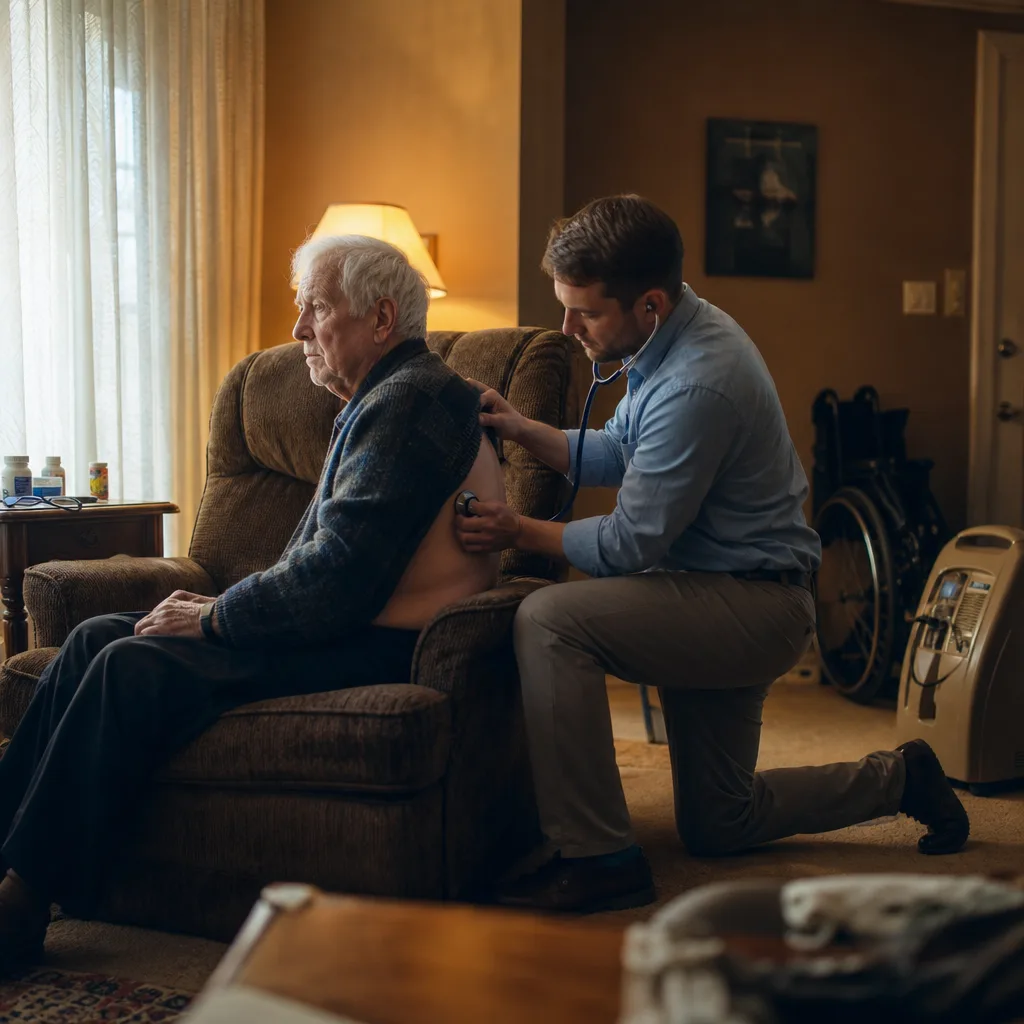
A house call is a real doctor's visit. It just happens at your kitchen table instead of in an exam room. For most people, it feels calmer than they expect. There's no waiting room, no paper gown on a cold table, and no rush to get back in the car.
Most home visits follow the same basic flow. The doctor arrives, sits down with you, and asks what's going on. Then comes a physical exam. Physicians who make house calls usually bring a portable kit with basics like a stethoscope, a blood pressure cuff, a thermometer, and a pulse oximeter, the small clip that checks the oxygen in your blood. After the exam, you talk through what the doctor found and what happens next. That might be a new prescription, a change to a current one, a lab order, or a referral.
Being in your home gives a doctor clues an office never can. They can see the pill bottles on the counter and spot the two that do the same job. They can notice the loose rug at the top of the stairs, the dim hallway to the bathroom, or the fridge that's nearly empty. For an older adult or someone just home from the hospital, those details can matter as much as a blood pressure reading.
Some things vary from practice to practice, so it's worth asking before the visit. Can blood be drawn at home, or will you need to go to a lab? How long does a visit usually last? Who should you call if something comes up after the doctor leaves?
A little prep makes the visit go further. Here's what helps:
- Gather every medicine in one spot. Include vitamins, supplements, inhalers, creams, and anything you take only now and then. The actual bottles are better than a list.
- Write down your questions. It's easy to forget the one that's been bugging you once the doctor is sitting across from you.
- Have hospital or specialist papers handy. Discharge notes, recent test results, and new prescriptions help fill in the picture.
- Invite a family member or caregiver if you'd like. A second set of ears helps, especially when plans or medicines are changing.
- Pick a spot with good light and a place to sit. A chair at a table or a well-lit couch works well for an exam.
- Put pets in another room. Even friendly dogs can make an exam harder.
- Have your ID and insurance card nearby in case they're needed for labs or prescriptions.
Picture a daughter caring for her dad after a hip replacement. Before the visit, she lines up his pill bottles on the counter, jots down that he's been dizzy getting out of bed, and sets out his discharge papers. When the doctor arrives, nobody has to dig for answers. The visit can go straight to what matters: why he's dizzy and what to change.
After the visit, the work keeps going. A good house call ends with a clear plan you both understand, including what to watch for and when you'll talk next. At OG Health, members can reach their physician by phone, text, and secure communication, so a question that pops up the next morning doesn't have to wait for another visit.
Why Continuity of Care Matters More Than a One-Time Visit
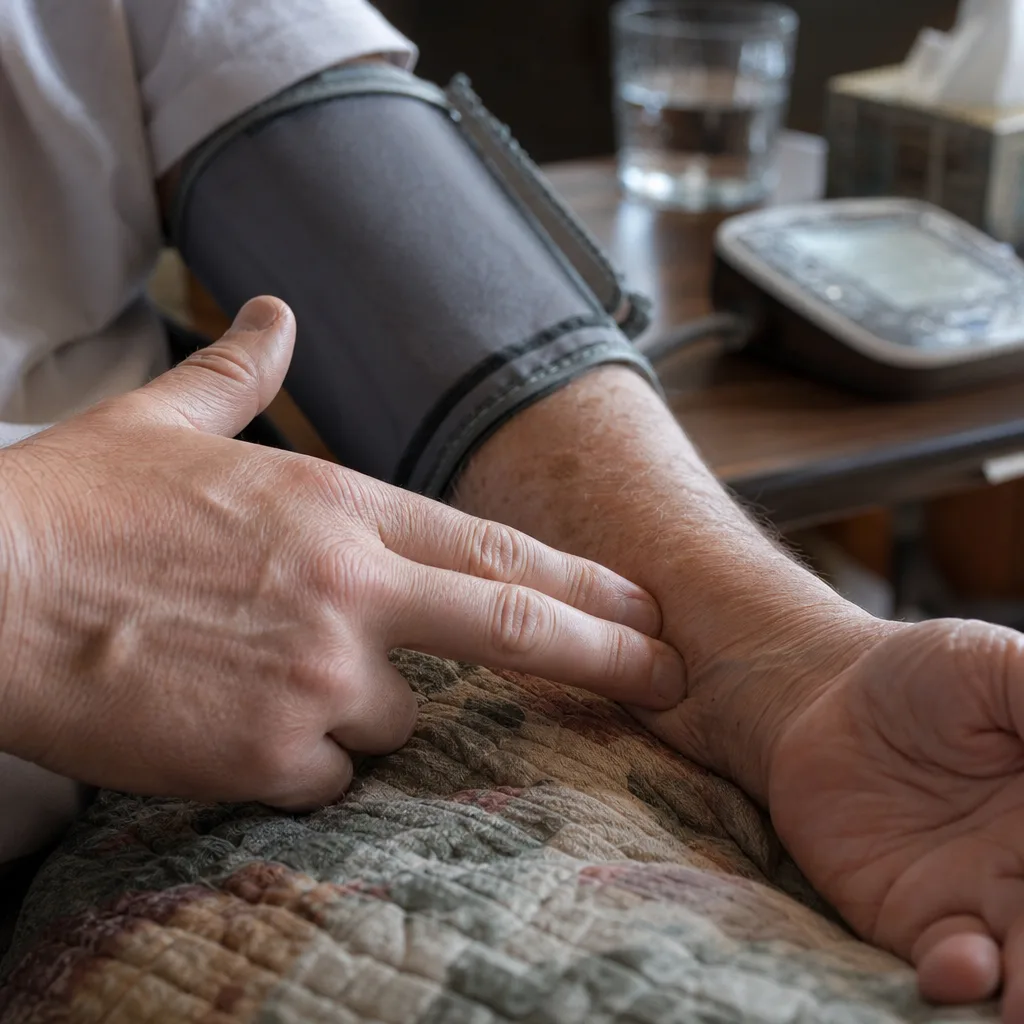
Anyone can knock on a door with a stethoscope. What makes a house call really work is who's knocking. A doctor who already knows you walks in with years of context. A doctor meeting you for the first time is starting from zero, often on one of your worst days.
The biggest reason is your baseline. Your normal is different from anyone else's. Maybe your blood pressure always runs a little high in the morning. Maybe your mom has always been a bit forgetful, or maybe she was sharp as a tack until last week. A doctor who has seen you before can tell the difference between "that's just you" and "that's new, and we need to look closer." A stranger can only guess.
Here's how that plays out. A son calls because his father seems tired and a little confused. A doctor seeing him for the first time might chalk it up to age. A doctor who saw him two months ago, chatting about the news and teasing his grandkids, knows something has changed. That doctor asks different questions, checks different things, and moves faster.
Continuity also matters after the doctor leaves. A one-time visit often ends with a prescription and a "follow up with your regular doctor." But what if you don't have one, or they never get the notes? Lab results can sit unread. A new medicine can clash with one that another doctor prescribed. A referral can stall because nobody made the call.
When the same physician handles your care over time, those loose ends have an owner. The doctor who orders the lab reads it. The doctor who changes a medicine knows everything else you take. The doctor who sends you to a specialist knows why, and can explain your history so you don't have to tell the whole story again.
That's how we built OG Health. Our mission is unhurried, personalized, continuous care, where patients feel seen, heard, and truly known by their physician. A house call is one piece of that, alongside Care Coordination, Medical Advocacy, transitional support after a hospital stay, and thoughtful Specialist Referrals. The home visit isn't a separate product. It's the same relationship, just in your living room.
If you're looking at any home visit service, not just ours, these questions will tell you a lot about continuity:
- Will the same doctor come each time, or whoever is on shift?
- Who reads my lab results and calls me about them?
- Do visit notes go to my regular doctor, and how fast?
- If I need a specialist, who sets it up and follows through?
- Who do I contact if I get worse two days later?
If the answers are vague, the visit may still help that day. It just may not help much next week. The real value of a house call comes from a doctor who knows where you started, sees where you are now, and stays with you for what comes next.
How House Call Pricing Typically Works
Talking about money with a doctor can feel awkward, but it shouldn't. A house call costs more to deliver than an office visit, because the doctor's time on the road is time they can't spend seeing anyone else. How that cost reaches you depends on how the practice is set up.
According to the American Academy of Family Physicians, most house calls fall under one of two models.[1] With a membership, like concierge medicine or direct primary care, you pay a set fee to belong to the practice. What that fee covers is spelled out in your agreement, so read it closely. With insurance billing, the doctor bills your plan for each visit like any other appointment. Your share then depends on your plan's copays, deductible, and whether home visits are covered at all. Some plans cover home visits only when leaving home is truly hard for you.
No matter the model, a few things tend to move the cost up or down:
- Time: A long visit to sort out a new diagnosis or a full medicine review takes more of the doctor's day than a quick check on a cough.
- Timing: Evening, weekend, or same-day visits can cost more than a visit planned days ahead.
- Distance: When travel is priced by miles or minutes, living close to the practice costs less than living across town.
- What's done at the visit: A simple exam is one thing. Drawing blood, treating a wound, or giving a shot can add supply or service costs.
- How many people are seen: Some practices let a second family member be seen on the same trip, which can spread out the travel cost.
Some costs usually come on a separate bill, even when the visit itself is covered. Lab work is often billed by the lab that runs the tests. Medicines are paid at the pharmacy. Imaging, specialist visits, and hospital care are billed by those places, too. That's why many people in membership practices keep their health insurance. The membership pays for the relationship with their doctor, and insurance covers the big things a doctor can't do in your living room.
It also helps to check whether you can use a health savings account or flexible spending account for any of these costs. The rules depend on the account and the type of charge, so ask your plan before you assume.
Here's a simple way to think about it. Picture a caregiver whose mom uses a walker. Getting her to an appointment means a morning off work, a careful drive, and help in and out of the car. A house call might cost more on paper. But if it saves that morning and lowers her chance of a fall in a parking lot, the total cost can come out closer than it looks.
The best time to understand pricing is before anyone knocks on your door. A good practice will explain it plainly and in writing, so you know what you'll pay and what you won't.
Frequently Asked Questions
How long does a house call visit usually take?
A house call usually runs longer than a typical office visit because there's no rushed schedule. The time depends on what's being covered, like a full medicine review versus a quick check on a cough. Ask your doctor beforehand how much time to set aside so you can plan your day around it.
Can labs or blood draws be done during a house call?
Some practices can draw blood at home, but not all can. This is worth asking before your visit, since it affects whether you'll still need a separate trip to a lab. If blood work is needed and can't be done at home, your doctor will let you know what to expect next.
Does a house call replace the need for a regular doctor?
No, a house call works best as part of ongoing care with a doctor who already knows you, not as a one-time fix. A physician who has seen you before can spot changes in your health faster than someone meeting you for the first time. That's why continuity with the same doctor matters more than any single visit.