
Chronic Disease Management Means Ongoing Care, Not a One-Time Visit

Chronic conditions like high blood pressure, diabetes, and thyroid disease change over time, so you can't handle them in one appointment. They go best when the same doctor watches your numbers, knows your life, and adjusts your plan before small shifts turn into big problems.
Chronic Disease Management is care for health problems that don't go away on their own. These include high blood pressure, high cholesterol, diabetes, thyroid disease, and asthma. You can't fix them in a single visit. You manage them over months and years. These conditions do best when one doctor who really knows you keeps watching them over time. A rushed yearly check isn't enough.
One visit falls short because your numbers keep moving. Blood sugar can rise or fall with stress, sleep, food, and weight. Blood pressure can creep up slowly without any signs you'd notice. A thyroid dose that worked last year may not fit you now. A single lab result is only a snapshot. What matters is the trend, and you can only see a trend if someone is watching it.
Good ongoing care keeps track of things like these:
- How your numbers change from one check to the next, not just today's reading
- Whether your medicines are working and how they make you feel
- Life changes that can shift your care, like a new job, a new diet, more stress, or getting older
- How your conditions affect each other, since diabetes, blood pressure, and cholesterol often show up together
Maybe this sounds familiar. At a quick appointment, you hear your A1C is a little high. You leave with a prescription and a note to come back in a year. A few months later, you feel tired and aren't sure the medicine is doing anything. You don't know who to ask, so you wait. That's the gap where chronic conditions tend to slip.
OG Health is built to close that gap. Our practice in Greenwood Village keeps its patient panel to 200 members. That lets Dr. Oswaldo Grenardo give each person unhurried, personalized, and continuous care. You get direct physician access by phone, text, and secure messages. So when something feels off between visits, you can reach the doctor who already knows your history. You don't have to start over with a stranger.
Lab testing is part of this too. We offer routine and advanced precision lab tests tailored to your health goals and risk profile. That way your plan rests on real, current information. When you need a specialist, we help coordinate your care. We make careful referrals and act as your advocate, so nothing gets lost between offices. If you take several medicines for different conditions, our medication management care helps keep them working together.
Dr. Grenardo is a Fellow of the American Academy of Family Physicians. He brings over 30 years of clinical and executive healthcare experience. That background matters when you're managing more than one condition and want a doctor who sees the whole picture.
How Direct Physician Access Changes Ongoing Management
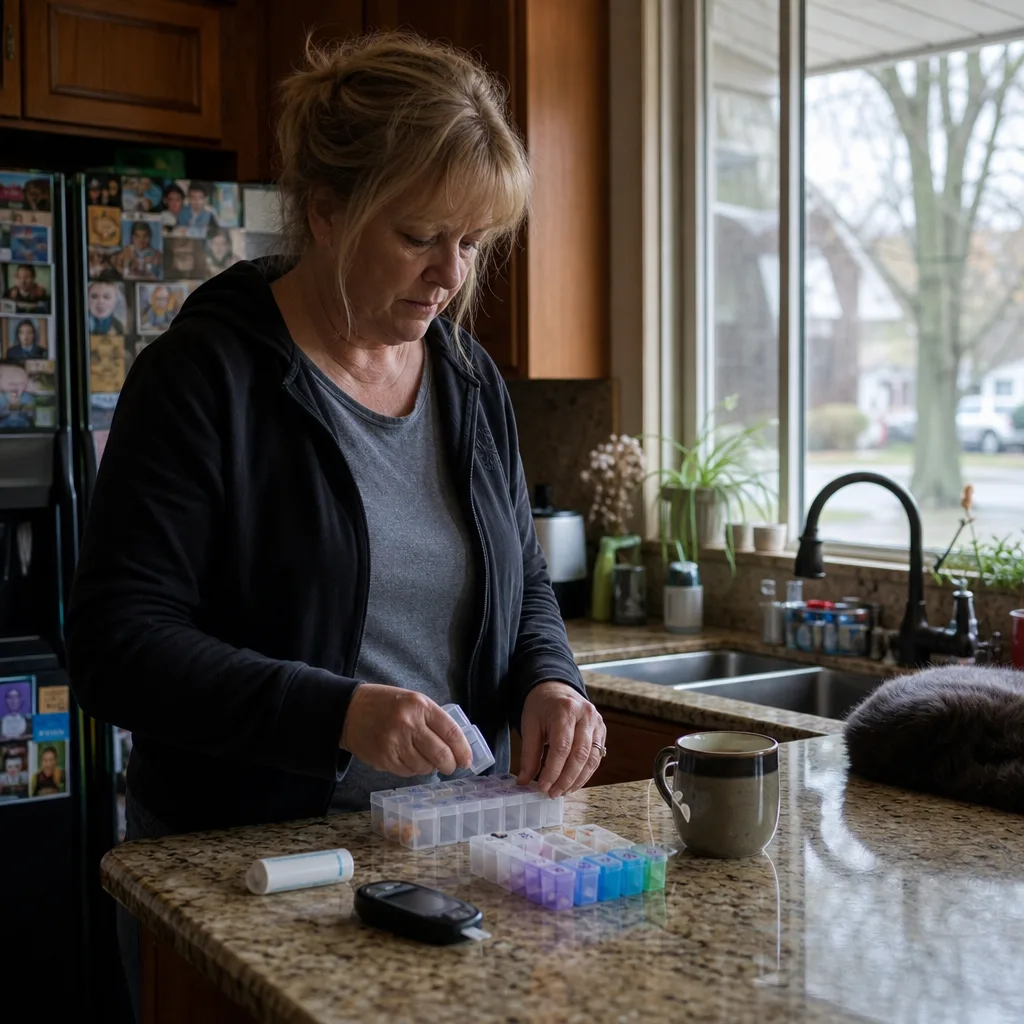
Most chronic care happens between appointments. That's when you take your medicine, check your numbers, eat, sleep, work, and notice how you feel. In a typical setup, a question that comes up in March might wait until your next visit in the fall. By then you may have forgotten the details, or you've quietly stopped a pill you weren't sure about. Being able to reach your own doctor changes that. Small questions get asked while they're still small.
Here's the real difference. Your plan stops being something set once a year and starts being something you and your doctor adjust together as your life changes. Because the doctor you're reaching already knows your history, you don't have to explain everything from the start. You can say "my morning readings are higher this week" and the person hearing it knows what your normal looks like.
These are the kinds of things people often sit on when they can't easily reach anyone:
- A new medicine that leaves you dizzy, tired, or upset to your stomach
- Home blood pressure or blood sugar readings that look different from usual
- A refill that's running low right before a trip
- An asthma inhaler you're reaching for more often than before
- A question after a specialist visit, like whether a new prescription fits with the ones you already take
- Lab results you got back but don't fully understand
None of these feel urgent enough for an office visit, and that's exactly why they get ignored. But left alone, each one can pull a condition off track. A side effect you don't mention can turn into a medicine you stop taking. A slow rise in readings can go unnoticed for months.
Picture this: you started a new blood pressure medicine two weeks ago. Your ankles look a little puffy and you're not sure if it's related. Without a way to reach your doctor, you might search online, worry, and either keep taking it or stop on your own. With direct access, you send a quick message, describe what you're seeing, and talk it through with the doctor who prescribed it. The choice about what to do next gets made with you, not guessed at alone.
Access also helps you be honest. It's easier to admit you've missed doses, or that the diet plan isn't working, when you're talking with someone who knows you rather than a new face every time. That honesty is what lets a plan get better. Managing several conditions at once, like diabetes with high cholesterol, depends on this kind of back-and-forth, because a change for one can affect the others.
This doesn't replace regular visits or lab work, it fills the long quiet stretch between them, which is where most of your health happens.
One Physician, Consistent Tracking of Labs and Medications

Many people with a chronic condition have their care spread across several places. A heart doctor checks your cholesterol. A specialist looks at your A1C. An urgent care clinic gives you an antibiotic on a Saturday. A hospital adds a new pill when you're discharged. Each one may do good work, but each one only sees a slice. Nobody is holding the whole picture, and that's where things quietly slip.
When one physician follows your labs over time, the result stops being just a number on a page; it gets read next to the ones before it. An A1C that's still in range but has crept up three checks in a row tells a different story than one steady reading. A cholesterol result means more when your doctor remembers you changed your diet in the spring or started a new medicine in the fall. The same doctor who saw last year's result is the one reading this year's, so the pattern doesn't get lost when records move between offices.
Your medicines need the same kind of steady eye. Over the years, lists tend to grow. A pill gets added here, a dose changes there, and an old prescription never gets taken off. Add over-the-counter pain relievers, sleep aids, and supplements, and it's easy to lose track of what you're really taking. Some medicines also need to be checked against lab results, like kidney or liver numbers, to make sure they're still a good fit for you.
Here's what one physician watching both your labs and your medicines can catch:
- Two medicines from different doctors that do the same job, or that don't mix well
- A dose that made sense years ago but may not fit your body or your labs today
- A lab change that could be tied to a medicine rather than to your condition getting worse
- Prescriptions you stopped taking that are still on your record
- Supplements or store-bought medicines that could affect how your prescriptions work
- Changes after a hospital stay that never made it back to your regular list
Think about someone managing diabetes, high blood pressure, and thyroid disease at the same time. That's easily five or six prescriptions and several kinds of lab work. If three doctors each manage one piece, they may never talk to each other. With one physician tracking it all, a change for one condition gets weighed against the others before it happens, not after a problem shows up.
You can help, too. Bring every bottle you take, including vitamins and supplements, rather than a list from memory. Keep your home blood pressure or blood sugar readings in one place. Share results from outside doctors so they can join the rest of your record. The more complete the picture, the better your doctor can read it.
Concierge primary care with Dr. Grenardo at OG Health in Greenwood Village.
When Chronic Conditions Need a Specialist Instead
A family doctor can manage a lot. Still, some conditions need a specialist in charge, not just on call. We'd rather tell you that up front than have you wait for care that's outside what primary care is built to do.
Some cases usually call for a specialist to lead the plan or share it closely:
- Heart problems that have gone past high blood pressure or cholesterol, like heart failure or a heart rhythm problem, usually need a cardiologist.
- Kidney disease that keeps getting worse is often best followed by a kidney specialist, called a nephrologist.
- Type 1 diabetes, or diabetes that needs complex insulin plans or devices like pumps, is often shared with an endocrinologist.
- A thyroid lump, a growth, or a thyroid problem that may need surgery or special treatment calls for an endocrinologist or surgeon.
- Severe asthma that stays hard to control, even after changes to your inhalers and routine, may need a lung or allergy specialist.
- Any cancer diagnosis needs an oncology team to lead treatment.
- Rare or unusual conditions that most doctors see only once in a while are better handled by someone who treats them every day.
There's also a simpler sign: say your numbers stay off target after several honest tries; medicine changes, dose changes, and real effort on diet, sleep, and activity. That usually means it's time to bring in someone with deeper training in that one condition. It isn't a failure on your part or your doctor's. Some bodies just need a more specialized approach.
Specialists also have tools a primary care office doesn't, like heart imaging, certain procedures, and advanced treatments that only they prescribe and watch. If your care depends on those, the specialist's office is where much of the real work happens.
Seeing a specialist doesn't mean giving up your regular doctor. A heart doctor focuses on your heart. They won't always notice that a new pill clashes with your thyroid medicine, or that your sleep has gotten worse. Your primary doctor keeps the whole picture together and helps you make sense of what each specialist says. We make referrals and coordinate care for exactly this reason.
Now for the other side: you may not need to change anything at all. You might have one condition that's been steady for years, with a doctor you trust who answers your questions and adjusts your plan when needed. If so, you're already getting what good ongoing care looks like. Keep it. Switching doctors just to switch can mean losing someone who knows your history.
The same goes if you already see a specialist who handles your condition well and talks with your other doctors. That setup is working. The time to look for a change is when care feels scattered, when questions go unanswered for months, or when no one seems to be tracking the whole picture.
Before Your First Chronic Disease Management Visit

A first visit for a long-term condition is about building the full picture. The more your doctor knows on day one, the sooner your plan can fit your real life instead of a guess. You don't need to be perfectly organized. A little prep before you come in goes a long way.
Start by pulling your records together. If you've seen other doctors, ask their offices to send your records ahead of time, or bring copies with you. These are the papers that matter most:
- Lab results from the last year or two, especially A1C, cholesterol, thyroid, and kidney numbers
- Notes from any specialists you see or have seen
- Discharge papers from any hospital or ER stays
- A list of past surgeries and major illnesses, with rough dates
- Your vaccine records, if you have them handy
Old results are useful even if they seem out of date. The trend tells the real story, and older numbers help show which way things are heading. Along with your bottles and home readings, these records give your doctor a head start.
Next, write down how you've been feeling. Symptoms are easy to forget once you're sitting in an exam room. Jot down what you've noticed, when it started, how often it happens, and what seems to make it better or worse. "I get lightheaded when I stand up, mostly in the afternoon" is far more helpful than "I feel off sometimes."
Your family history matters, too. According to the American Heart Association, many chronic conditions run in families.[1] If you can, find out whether your parents, brothers, or sisters have had heart disease, diabetes, high blood pressure, thyroid problems, or strokes, and roughly how old they were when it started. A quick call to a relative before your visit can fill in the gaps.
Then think about what you want. Goals shape a plan as much as lab numbers do. Maybe you want to take fewer pills. Maybe you want more energy to keep up with your grandkids. Maybe you want to avoid starting insulin, or you just want to finally understand your own results. Say it out loud. A good doctor builds the plan around what matters to you.
Bring your questions on paper. Write them down as they come up in the days before your visit. Put the ones that worry you most at the top, so they get answered even if time runs short. It's also fine to ask ahead whether any lab work will need you to fast, so you're not caught off guard.
Last, plan to be honest. If you skip doses, smoke, drink more than you'd like, or haven't touched the diet you were given, say so. Your doctor isn't there to judge. A plan built on what you really do will work better than one built on what you think you're supposed to say.