Direct Primary Care Means a Doctor Who Knows You

Direct primary care is a membership model. You pay the practice directly, and the doctor sees far fewer patients. At OG Health, the panel is capped at 200 members, so Dr. Grenardo has time to know your history, your goals, and what's normal for you.
Most people have had a doctor's visit that felt like a race. You wait weeks for the appointment. You get a few minutes in the room. Then you leave with a question you forgot to ask. That isn't usually the doctor's fault. In a traditional practice, the schedule is built around a large number of patients and a billing system that pays per visit. Time gets squeezed.
Direct primary care works another way. Instead of billing insurance for each visit, you pay the practice a regular membership fee. That fee covers your ongoing relationship with your doctor. Because the practice isn’t trying to fit in as many short visits as it can, it can keep its patient list small.
Small is the whole point. OG Health limits its panel to 200 members on purpose. With fewer people to care for, Dr. Grenardo can take his time with you. He can remember the details and follow your health over years, not just from one visit to the next.
Here's why that matters. Say your blood pressure creeps up a little each year. Or you mention being tired more often than usual. A doctor who's meeting you for the first time might write it off. A doctor who knows your baseline notices the change. Those small changes are often where good prevention starts. Here’s what a small panel makes possible:
- You can reach your physician directly by phone, text, and secure communication, not through a long phone tree.
- Visits are unhurried, so there's room for the questions that don't fit a checklist.
- Your care stays continuous, with the same doctor who knows your history.
- Your doctor coordinates with specialists and speaks up for you when you need care outside the practice.
The doctor matters as much as the model. Dr. Oswaldo Grenardo, MD, MBA, MSHA, FAAFP, brings over 30 years of clinical and executive healthcare experience. He's a Fellow of the American Academy of Family Physicians.[1] That family medicine training means he cares for patients of all ages, so you and your family can have one doctor who knows all of you.
Before you join any direct primary care practice, ask a few plain questions. What does the membership cover? What costs extra, like certain labs or medicines? How do you reach the doctor, and what happens when you need a specialist? Membership pricing is structured differently from one practice to the next, so clear answers help you compare. A good practice will be glad you asked.
OG Health is based in Greenwood Village, Colorado. If you want a doctor who knows your name, your story, and what's normal for you, this is the kind of care the practice was built to give.
How Direct Physician Access Works Day to Day

Direct access sounds nice on paper. What matters is how it shows up on a regular Tuesday, when something small comes up and you're not sure what to do about it.
In a traditional setup, that moment often ends one of two ways. You guess and hope it's nothing, or you call a front desk and take the first open slot, which might be weeks out. With direct primary care, there's a third option. You reach out to your doctor and ask.
Here are the kinds of everyday questions people bring to a doctor they can reach directly:
- A new rash, and whether it needs to be looked at
- A side effect from a medicine you just started
- A lab result you got back and don't understand
- A refill that's about to run out
- A cough that's lasted longer than you'd like
- A question you forgot to ask after a specialist visit
None of these are emergencies. But each one can turn into days of worry, a missed dose, or an extra trip somewhere if nobody answers. A quick back-and-forth with your doctor can often settle it, or tell you it's time to come in.
Picture a parent whose child wakes up tugging at one ear. They're not sure if it's an ear infection or just a stuffy nose. They'd rather not sit in a crowded waiting room with a cranky kid if they don't need to. Being able to ask a doctor who already knows the child's history makes that call a lot easier.
That's the real value. The person answering isn't a stranger reading your chart for the first time. It's the doctor who knows your baseline, so a short message carries more meaning.
OG Health offers direct physician access by phone, text, and secure communication. The practice's services also include same-day sick visits, same-day appointments, telehealth visits, house call visits, after-hours physician access, and prescription refills. That gives you more than one way to get care, depending on what's going on.
To get the most out of direct access, it helps to be clear when you reach out. Say what changed, when it started, and anything you've already tried. The more your doctor knows up front, the faster you'll both know the next step.
Before you join any direct primary care practice, ask how access works in real life, not just whether it exists:
- What's the best way to reach the doctor for a routine question?
- How are after-hours questions handled?
- When is a problem handled by message, and when does it need a visit?
- Are video visits or home visits an option, and when do they make sense?
One more thing matters here. Direct access to your doctor doesn't replace emergency care. If something feels like an emergency, don't wait on a text. Get emergency help first, and let your doctor help with what comes after.
Who Benefits Most From an Ongoing Care Relationship
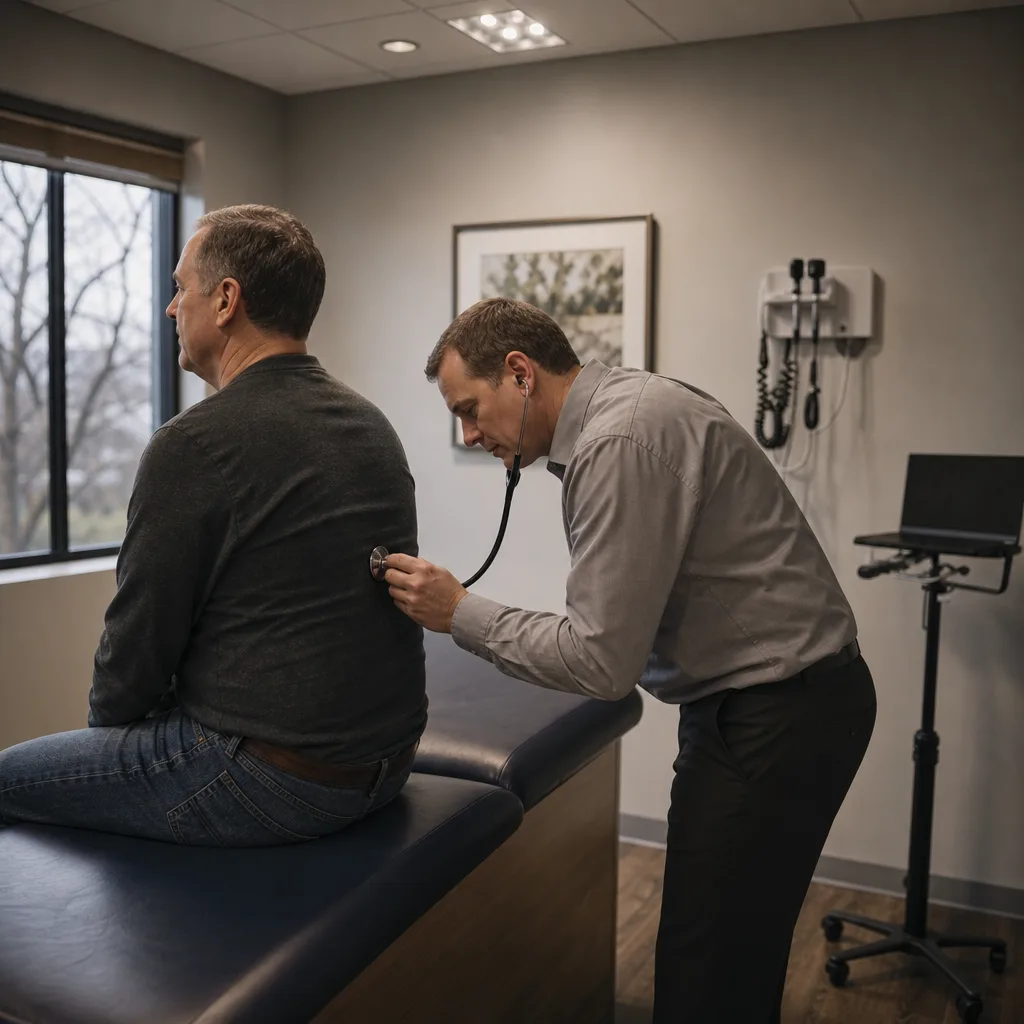
Not everyone gets the same value from knowing their doctor well. The people who benefit most usually have one thing in common. Their health has a story that plays out over months and years, not in one visit.
Here's who tends to get the most out of an ongoing care relationship:
- People managing a long-term condition. High blood pressure, high cholesterol, diabetes, thyroid disease, and asthma all need regular check-ins and small adjustments. A doctor who's tracked your numbers over time can spot a trend before it becomes a problem.
- Families who want one doctor for everyone. When the same physician cares for kids, parents, and grandparents, family history isn't something you have to remember and repeat. It's already known.
- Older adults juggling several medicines or specialists. The more doctors you see, the easier it is for things to fall through the cracks. Someone needs to see the whole picture and keep it straight.
- People coming home from a hospital stay. The weeks after discharge can be confusing, with new medicines and follow-up visits. Steady support during that stretch can make the transition smoother.
- Busy professionals who keep putting off their health. If you only see a doctor when something breaks, a relationship built around prevention can help you catch things earlier.
- Anyone working on weight, sleep, hormones, or mental health. These goals take time, honest conversations, and follow-through. They're hard to work on in short, rushed visits.
Picture someone in their fifties with borderline blood sugar, a new cholesterol medicine, and a knee that's been bothering them. On their own, each issue seems small. Together, they add up to a plan that needs one person steering it. That's where an ongoing relationship earns its keep.
OG Health's services include chronic disease management, pediatric care, senior care, care coordination, transitional care, and medical weight loss, so the practice is set up to care for patients at different stages of life.
Now for the honest part. Direct primary care isn't the right fit for everyone:
- If you're young, healthy, and see a doctor once every few years, you may be fine without a membership for now.
- If you'd rather see whoever's available and don't care about continuity, the extra time and attention may not matter much to you.
- If you're hoping a membership will replace health insurance, it won't. Most direct primary care memberships cover your primary care relationship, not hospital stays, surgery, or specialist care. You'll still want coverage for those.
None of that is a knock on you. It just means your needs are simple right now, and that's a good place to be. Life changes, though. A new diagnosis, a growing family, or aging parents can quickly make one trusted doctor worth a lot more.
A good test is to think about the last year. Did you have questions you never got answered? Did you feel like no one was connecting the dots between your visits? If so, you're likely the kind of patient this model was built for.
When Direct Primary Care Is Not the Right First Step

Sometimes the model is a good fit for you, but the timing isn't right.
If something feels urgent right now, deal with that first. As we said earlier, direct access to a doctor doesn't replace emergency care. Don't spend a scary moment reading about memberships. Get help, then think about long-term care once things settle down.
If you don't have health insurance yet, start there. A membership covers your primary care relationship, not hospital stays or surgery. One big bill from an accident or a sudden illness can cost far more than years of doctor visits. Get coverage in place first. Then decide if a membership makes sense on top of it.
If money is tight this month, pay for the basics first. A membership is a regular cost that comes on top of your insurance premiums. If you're choosing between that fee and your medicines, your rent, or your insurance, the membership can wait. Better care shouldn't put you in a financial hole.
If you're in the middle of treatment with a care team you trust, don't cut that off. Say you're partway through cancer treatment, recovering from surgery, or seeing a specialist every few weeks. Switching doctors in the middle of that can cause gaps. A new primary care doctor can work with your specialists, but it's usually smoother to talk with your current team first and plan the handoff.
If you already have a primary care doctor you like and can reach, you may not need to switch. Some people have a longtime doctor who returns calls, knows their history, and gives them enough time. If that's you, you already have what this model is built to offer. Leaving a good relationship just to try something new isn't always a smart trade.
If you only need one thing, a membership may be more than you need. Direct primary care pays off over months and years. If all you need is a single form signed or one quick test, a one-time visit somewhere else may make more sense for now.
If you use a health savings account or an employer health plan, check the rules before you join. Depending on your plan, a membership fee may be handled differently than a regular doctor's bill. A quick question to your benefits office or a tax advisor can save you a surprise later.
Here's a simple way to sort it out. Ask yourself three things:
- Is anything urgent happening with my health right now?
- Do I have insurance for the big, costly stuff?
- Can I pay a regular membership fee without cutting back on something I need?
If you answered no to the first question and yes to the other two, the timing is probably fine. If not, take care of those things first. Looking into this care model will still be an option when you're ready.
How Membership Fees Work in Direct Primary Care
A membership fee can feel strange at first. Most of us are used to getting a bill after each visit, then waiting to see what insurance covers. Direct primary care flips that. You pay a set amount on a regular schedule, and that fee pays for your ongoing care with your doctor, whether you need a lot of it one month or none at all.
Here's how practices usually set up their fees. Details vary a lot, so treat this as a guide, not a promise from any one practice:
- Billing schedule. Many practices bill monthly. Some offer a yearly payment, and a few give a small break for paying up front.
- Age-based pricing. Some practices charge different amounts for kids, adults, and older adults, since care needs tend to change with age.
- Family pricing. Some practices offer a family rate or a lower fee for each added family member.
- Enrollment fees. Some practices charge a one-time fee when you first sign up. Others don't.
- Extras outside the fee. Certain lab tests, medicines, imaging, or vaccines may be billed separately, sometimes at a lower cost the practice has arranged.
The biggest thing that shapes the price is panel size. A doctor's time is limited. When a practice cares for fewer people, each member gets more of that time, and the fee usually reflects that. A practice with a very small panel, like OG Health's cap of 200 members, is built around deep, unhurried care rather than high volume. That kind of setup generally costs more than a larger practice with a lighter-touch membership.
What's included matters too. A membership that covers basic visits and messages is different from one that also includes things like executive-style physicals, advanced lab testing, or house calls. Two fees that look far apart on paper may cover very different amounts of care. When you compare practices, compare what you get, not just the number.
It also helps to think about how you use care now. Add up a normal year: copays, visits you paid for before meeting your deductible, and time lost waiting for appointments or sitting in waiting rooms. Picture someone with diabetes and high blood pressure who sees a doctor every few months and gets labs often. That person may get a lot of value from a flat fee. Someone who rarely goes to the doctor may see less of a difference in dollars, even if they like the access.
Before you sign anything, ask about the terms of the membership itself:
- Is there a contract length, or can I cancel anytime?
- Do I need to give notice to cancel, and do I get anything back if I leave early?
- How often does the fee change, and how will I hear about it?
- If I leave and want to come back later, is there a fee to rejoin?
- Can I get a written list of what the fee covers?
Clear, written answers to these questions are a good sign. If a practice is vague about billing, that tells you something too.
Frequently Asked Questions
Does direct primary care take the place of health insurance?
No, it does not replace health insurance. A membership covers your ongoing primary care relationship, not hospital stays, surgery, or specialist visits. You still need insurance for those bigger costs. Think of the membership as covering your everyday doctor relationship, while insurance protects you from large, unexpected medical bills.
Can I use my HSA or employer health plan to pay for a direct primary care membership?
It depends on your specific plan, so check the rules before you join. Some HSAs and employer plans treat membership fees differently than a regular doctor's bill. A quick call to your benefits office or a tax advisor can help you avoid a surprise later, especially since rules vary by employer and plan type.
What happens if I need to see a specialist while I'm in a direct primary care membership?
Your doctor coordinates that care and speaks up for you when you need treatment outside the practice. This matters most for people juggling several specialists, like someone managing diabetes alongside a cardiologist. Instead of each doctor working in isolation, your primary care doctor helps keep the whole picture connected.