
What a Thorough Physical Exam Includes
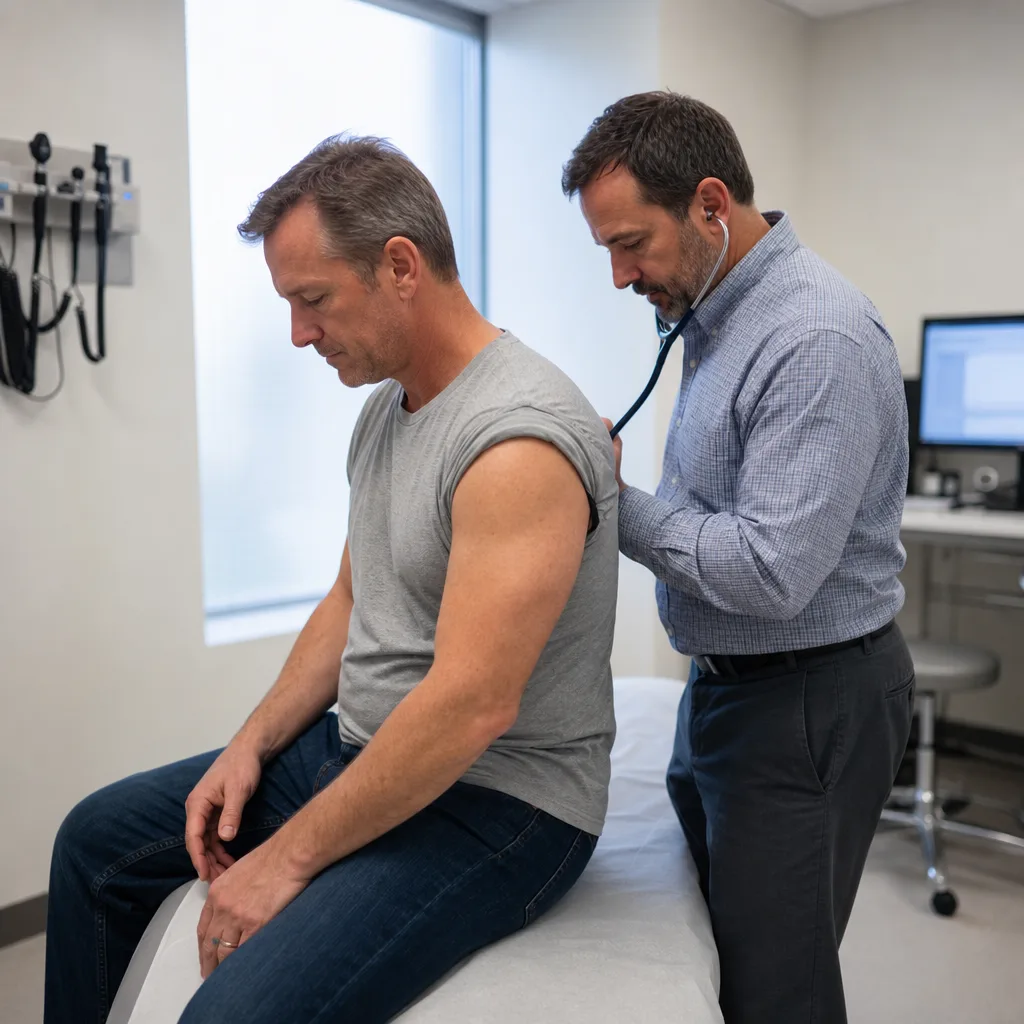
A real physical exam has three parts: the conversation about your history and how you're living, the hands-on exam from head to toe, and the testing that checks what hands and ears can't. Skip any one of those and you've got a vitals check, not a physical. The conversation is the part most often cut short, and it's usually the part that finds things first.
Most people picture the stethoscope and the blood pressure cuff. Those matter. But the exam starts before anyone touches you, with a real conversation about your health history, your family's history, what medications and supplements you're taking, how you sleep, how much you drink, whether you smoke, how stress is treating you, and what's changed since last year. That's where the useful stuff lives. A person who mentions offhand that they've been waking up at 3 a.m. for four months is telling you something, and it takes time to hear it.
Then comes the hands-on part. Height, weight, blood pressure, pulse, temperature, and oxygen level give a baseline. From there it's a head-to-toe check: eyes, ears, nose, throat, and neck, including the thyroid and the lymph nodes. Listening to the heart for rhythm and murmurs. Listening to the lungs while you breathe deeply. Pressing on the abdomen to feel the liver, spleen, and anything that shouldn't be there. Checking pulses in the arms and legs, looking for swelling, and testing reflexes, strength, and balance. A skin check across the whole body matters a lot at Colorado altitude, where UV exposure runs higher than it does at sea level.
The third piece is testing, and this is where a physical earns its keep. Blood work can show a problem years before you feel anything. Common pieces of an adult workup include:
- A complete blood count and metabolic panel, which cover things like kidney function, liver enzymes, electrolytes, and blood sugar
- Cholesterol and lipid testing to gauge heart risk
- Diabetes screening, usually with an A1C that reflects your average blood sugar over about three months
- Thyroid testing, since a sluggish thyroid gets blamed on stress or aging for years before anyone checks it
- An EKG when heart rhythm, symptoms, or risk history call for it
- A review of which screenings you're due for, based on age and risk, and which vaccines you're behind on
Not everyone needs the same panel. A 34-year-old distance runner with no family history and a 62-year-old with a father who had a heart attack at 55 shouldn't get identical bloodwork. Lab testing gets matched to your actual goals and risk profile, not a one-size list. That's a judgment call, and judgment calls need information. That brings you back to the conversation at the start.
The last part is the one people forget: going over the results with you. Numbers in a portal don't care. You should walk away knowing what was normal, what wasn't, what it means, and what you're doing about it before the next visit.
Physical Exam vs. Annual Wellness Exam vs. Executive Physical
These three get used like they mean the same thing. They don't. The mix-up is why people walk out of a visit feeling like nothing happened.
A physical exam is the hands-on one. Someone listens to your heart and lungs, presses on your abdomen, checks your reflexes and skin, and reviews your labs with you. It's the visit most people picture when they say they're going in for a checkup.
An annual wellness exam is a different animal, and the confusion usually starts with Medicare. Under Medicare, the annual wellness visit is a planning appointment.[1] It's built around a health risk assessment, a look at your medications, cognitive and fall screening, and a written schedule of which preventive services you're due for. There's no requirement for a head-to-toe physical in it. That surprises a lot of people who show up expecting a full exam and get a questionnaire instead. Outside of Medicare, plenty of practices use "annual wellness exam" loosely to mean a yearly preventive visit that does include the hands-on part. The label alone won't tell you. You have to ask what's in it.
An executive physical is the long version. Same core exam, more time, more testing, and a bigger picture at the end. It's usually built for people who want a deeper read on cardiovascular risk, metabolic health, and early markers rather than a pass or fail on the basics. Executive-style physicals can run alongside annual wellness exams, and the difference between them comes down to how much ground you want to cover in one sitting.
Here's a simple way to sort it out before you book:
- You feel fine and want a yearly baseline with labs and a hands-on exam. That's a standard physical.
- You're on Medicare and want your preventive schedule and medications reviewed. That's the annual wellness visit, and you may want to ask whether a physical exam is being done alongside it.
- You need paperwork signed for a sport, a job, a school, or surgery. That's a targeted exam with a specific form, and you should say so when you book so nothing gets missed.
- You've got a family history that worries you, or you want deeper metabolic and cardiac testing in one visit. That's the executive-level route.
There's a fourth thing these get confused with, and it's worth naming. A visit for a specific problem is not a physical. If you come in with a rash, a cough that won't quit, or knee pain, that appointment is going to be spent on the rash, the cough, or the knee. Preventive care gets pushed to another day. That's not anyone cutting corners. There's only so much you can do well in one sitting.
Choosing the Right Doctor for Your Physical

You can't tell much from a website. Every practice says it cares about prevention. What separates a real physical from a quick vitals check is how much time the doctor has, and time comes down to how many patients that doctor is responsible for. A physician carrying two thousand patients isn't being lazy when the visit runs fifteen minutes. The math just doesn't allow anything else.
So ask about the math. Before you book, a few questions will tell you more than any amount of reading:
- How long is the appointment scheduled for? A full physical with a real history conversation and a head-to-toe exam takes time. If the answer is fifteen or twenty minutes, you're getting a vitals check with a form.
- Will I see the same physician every time? Continuity is how someone notices that your blood pressure has crept up three years running, or that you've mentioned the same fatigue twice.
- Is bloodwork drawn before the visit or after? Drawing labs ahead of time means you can go over real results in the room instead of chasing a portal message two weeks later.
- Who calls me with abnormal results, and how do I reach the doctor with a question? Getting a flagged number with no one to explain it is worse than not knowing.
- What happens if something needs a specialist? Ask whether the practice helps coordinate that referral or hands you a phone number.
Pay attention to how the answers come out. A practice that has thought hard about physicals will answer these quickly and specifically. Vague answers usually mean the exam is whatever fits in the slot.
On cost, the models differ more than people expect. Insurance-based practices typically bill a preventive visit to your plan, and many plans cover an annual preventive exam with no cost to you, but anything that turns into a problem-focused discussion can be billed separately. That's why a visit you thought was free sometimes generates a bill. Membership and concierge practices work differently: you pay a recurring fee for access and time, and labs, imaging, and outside specialists are usually billed on their own. Neither model is automatically better. What matters is asking, upfront, what's included in the physical, what gets billed separately, and whether labs are part of the visit or a separate charge. Any practice worth your time will tell you plainly.
OG Health caps its panel at 200 patients on purpose. That's the whole reason Dr. Grenardo can sit with you long enough to hear the thing you almost didn't mention, and why patients can reach him directly by phone or text instead of working through a queue. He's a Fellow of the American Academy of Family Physicians with more than 30 years in clinical and executive medicine. When a finding needs a specialist, he handles the referral and the coordination rather than leaving you to sort it out.
When a Same-Day Sick Visit Makes More Sense
Here's the part that costs us a booking, and we'll say it anyway: if something's wrong with you today, don't book a physical. Book a sick visit. Those are two different appointments with two different jobs, and trying to make one do the work of the other usually means neither gets done well.
Say you've had a sore throat for three days and a fever that won't break. A physical isn't going to help you. What helps is a strep test, a look at your throat, and a plan for the next 48 hours. That takes twenty minutes and you can be treated the same day. If instead you wait two weeks for a physical slot so you can "get it all done at once," you spend two miserable weeks sick, and then the visit gets eaten by the throat anyway. The bloodwork gets pushed. The skin check gets pushed. You leave having done half of each.
Call for a same-day or sick visit instead of a physical when you've got something active:
- Fever, chills, sore throat, sinus pressure, or a cough that's getting worse instead of better
- Ear pain, especially in a kid who's tugging at one side and not sleeping
- Burning with urination, or needing to go constantly
- A rash that's spreading, painful, or came on fast
- A cut, burn, sprain, or fall that needs to be looked at
- A medication that's not sitting right with you, or you're out and need a refill decision
Some of this you don't need us for at all. A head cold with no fever, a mild sore throat that's already improving by day three, a scrape you can keep clean, a hangover-grade headache that water and sleep fix. Give those a few days. Bodies handle a lot on their own, and calling a doctor for every sniffle is a good way to wear yourself out for no benefit.
Some things skip us entirely. Chest pain or pressure, trouble breathing, sudden weakness or trouble speaking, a bad head injury, uncontrolled bleeding, thoughts of hurting yourself. That's an emergency room or 911, not a phone call to a primary care office. No physical, no sick visit, no waiting to see if it passes.
There's also the timing side of this. If you're actively sick, your labs won't read true. Inflammation markers climb, white counts shift, blood sugar wanders, and your blood pressure is higher than your normal because you feel awful. A baseline drawn during a virus isn't a baseline. Better to get well, then come in when your numbers reflect the everyday version of you. That's the whole point of the thing.
The practical move is to handle the sick thing first and schedule the physical separately. Same-day sick visits and telehealth mean the acute problem doesn't have to sit in line behind your preventive care. Then your physical stays a physical.
How to Prepare for Your Physical Exam
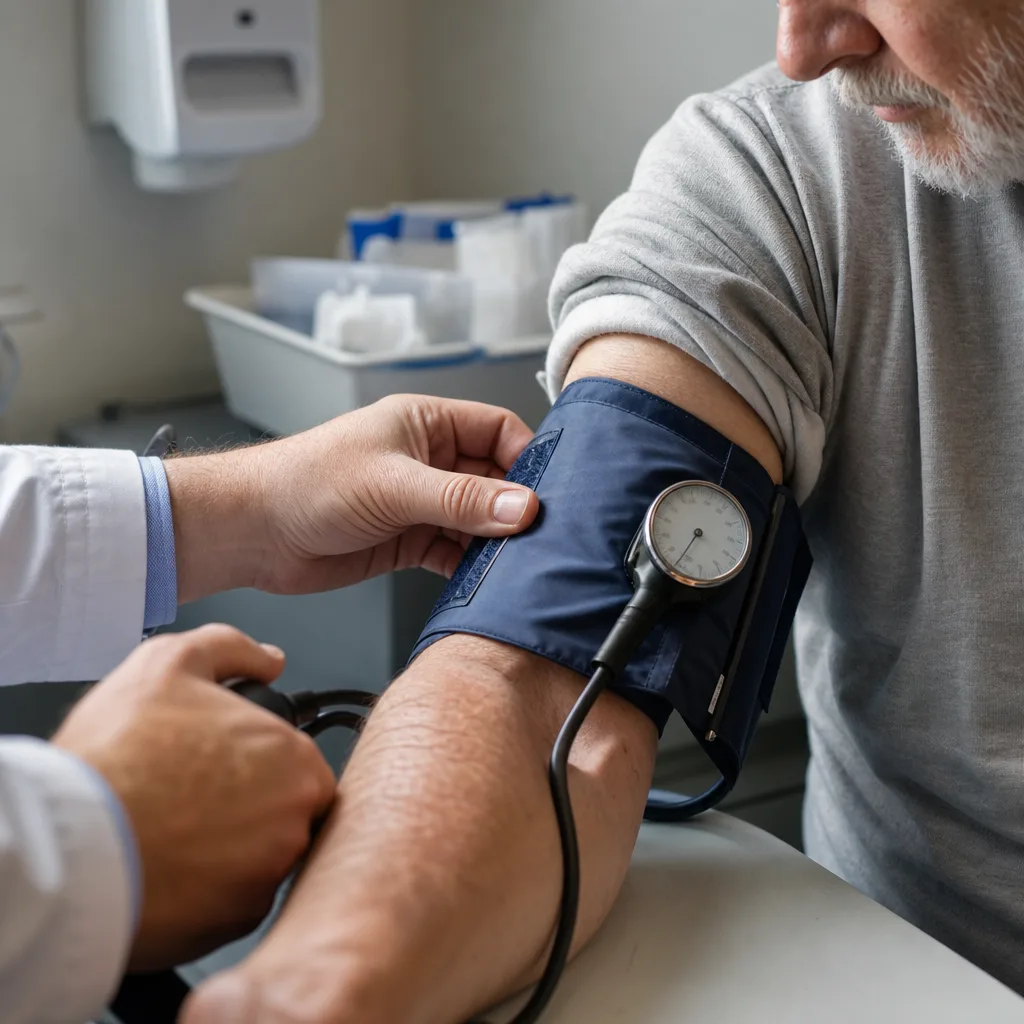
A little prep changes what you get out of the hour. The doctor can only work with the information in the room, and most of that information comes from you. Ten minutes of thinking before you show up is worth more than any single test.
Start with the labs, because timing matters there. If your bloodwork includes a lipid panel or fasting glucose, you'll usually be asked to go without food for 8 to 12 hours beforehand. Water is fine and you should drink it, since being dehydrated makes the draw harder and can nudge some numbers. Ask when you book whether your panel needs fasting, because not all of them do. Ask too whether the draw happens before your appointment or the same day. Getting blood pulled a week ahead means you sit down with actual results in front of you instead of waiting on a message two weeks later.
Then write things down. People swear they'll remember and then the door opens and it all falls out of their head:
- Every medication you take, with the dose. Include supplements, vitamins, protein powders, and anything you bought over the counter. Snapping a photo of the bottles is faster than writing it out.
- What's changed since your last physical. New symptoms, weight shifts, sleep trouble, mood, energy, a joint that started hurting, a mole that looks different.
- Family history, especially anything that hit a parent or sibling before age 60. Heart attack, stroke, cancer, diabetes, a clotting problem. The age it happened matters as much as the diagnosis.
- Your actual habits. Drinks per week, whether you smoke or vape, how you're sleeping, how much you're moving. Rounding these down doesn't protect you, it just skews the plan.
- Records from other doctors. Past imaging, a colonoscopy date, specialist notes, a hospital stay. If we don't know it happened, we can't build on it.
- Your top three questions. Not ten. Three, in order, so the ones that worry you get answered first.
On the day, wear something you can get in and out of easily. Short sleeves or loose sleeves make the blood pressure cuff and the blood draw simpler. Skip the heavy lotion if a skin check is part of your visit, since it makes spots harder to read, and that check matters more here than it does at sea level. Living at Colorado altitude means more UV hitting your skin year-round, including on gray winter days when nobody's thinking about sunscreen.
Hold off on the workout that morning. Hard exercise can push blood pressure and certain lab markers around for hours. Same with caffeine right before you walk in. If your blood pressure runs high at appointments but normal at home, say so, and bring a few home readings if you've got them. That's real data and it changes the conversation.
Last thing: decide before you arrive what you want to walk out knowing. Maybe it's whether your cholesterol needs treating, whether the fatigue is thyroid, or whether you're clear to train for something. Say it out loud early in the visit. A physical built around your actual question is a different appointment than one built around a checklist.
Frequently Asked Questions
How long does a full physical exam take?
It depends on the practice, but a real physical needs more than fifteen or twenty minutes. That short slot only covers a vitals check, not the history conversation, the head-to-toe exam, and a results review the article describes. Ask when you book how long your appointment is scheduled for, and expect it to run long enough to cover all three parts.
Can I eat or drink before my physical exam?
You can drink water, but you'll usually need to skip food for 8 to 12 hours if your bloodwork includes a lipid panel or fasting glucose. Water helps, since being dehydrated makes the blood draw harder and can shift some results. Not every panel requires fasting, so ask when you book whether yours does.
What should I bring to my physical exam appointment?
Bring a list of your medications and supplements, notes on what's changed since last year, your family health history, and any records from other doctors. Writing these down ahead of time, or snapping a photo of your pill bottles, means the doctor works with real information instead of what you remember on the spot. Bring your top three questions too, so the ones that worry you most get answered first.